Only 1.23 percent of companies offer childcare
The Ministry of Labor (Kemnaker) continues to promote the development of family-friendly workplaces (FFW) as part of the strengthening of labor relations (Pancasila).
This effort is crucial, as only about 1.23 percent of companies in Indonesia offer childcare facilities.
LATEST NEWS: SI MiKE SU brings the 11th North Sumatra Scout Jamboree to life
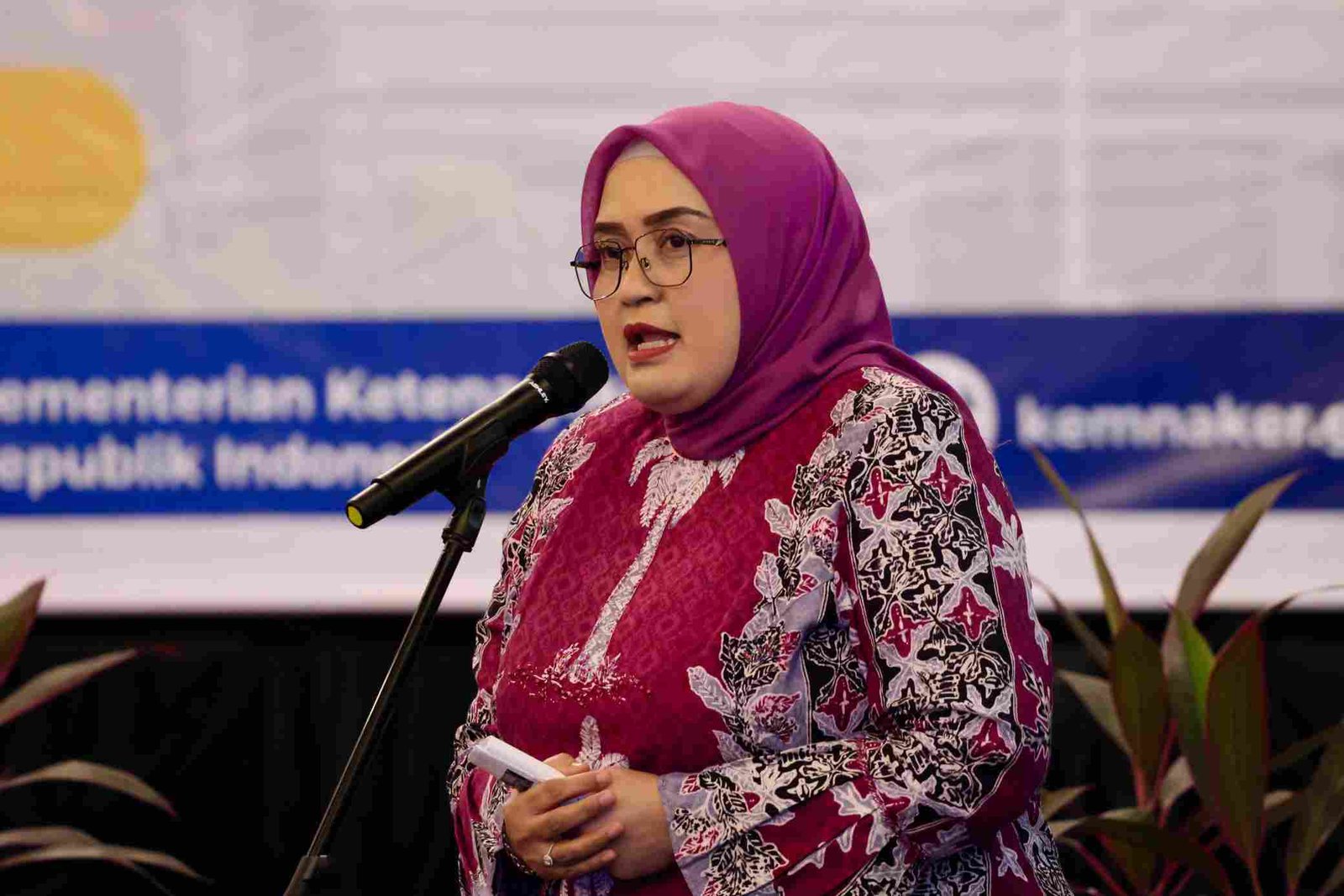
The Director General of Labor Relations and Social Security (PHI and Jamsos) at the Ministry of Labor, Indah Anggoro Putri, stated that the FFW concept does not require every company to build its own childcare facility.
Implementation can be tailored to the characteristics and capabilities of each company, for example by: offering shared childcare in company or office spaces, providing vouchers or subsidies, and collaborating with local childcare centers.
“Employee well-being facilities, including childcare, should be viewed as a strategic instrument for increasing national productivity,” stated Indah in a press release from the Ministry of Labor’s Public Relations Office on Tuesday, July 14, 2026.
Based on data from the mandatory company employer report as of May 31, 2026, only approximately 3,222 of the more than 262,000 registered companies, or 1.23 percent, offered childcare facilities. This situation demonstrates the significant opportunity to develop family-friendly workplaces in Indonesia.
LATEST NEWS: Temasek Singapore explores cooperation with TSTH2 Herbal and Horticultural Technology Science Park
Indah explained that offering childcare not only helps employees fulfill their parental duties but also increases employee productivity and loyalty, boosts women’s participation in the labor market, reduces staff turnover, and supports the growth and development of children as an investment in future human capital.
She further emphasized that the development of childcare and family support is a national development strategy that aligns with the mandate of Article 100 of Labor Market Law No. 13 of 2003, Mother and Child Care Law No. 4 of 2024, the Medium-Term National Development Plan 2025-2045 (RPJPN), and the guidelines issued by President Prabowo on May 1, 2026.
“We want to build labor relations that are not only focused on economic productivity, but also on upholding human dignity. Childcare is not just a provision for the well-being of employees, but a strategic investment in productivity, corporate competitiveness, and the quality of the next generation, which must lead to a Golden Indonesia in 2045,” said Indah. ***rel