Editor’s note
- A circular economy creates millions of new jobs in Indonesia
- From a linear economy to a circular economy
- The potential of the circular economy in Indonesia
- Waste with economic value
- Interdisciplinary collaboration
- Green jobs must be viable, not just green
Upskilling and reskilling the workforce
A circular economy creates millions of new jobs in Indonesia
The transition to a circular economy is expected to create millions of new jobs in Indonesia.
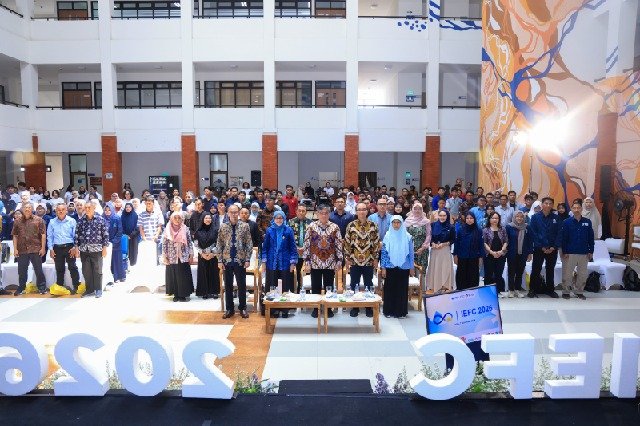
This was stated by Minister of Manpower Yassierli in his keynote speech during the ITB Industrial Engineering Festival of Cirebon (IEFC) 2026, held at the ITB campus in Cirebon, West Java.
LATEST NEWS: INAI (Indonesia AI): National Identity, World-Class Ambition
From a linear economy to a circular economy
According to Yassierli, a circular economy transforms the industrial model—shifting from a linear economy that generates waste to a system that optimizes the reuse of raw materials and products to create added value.
“We have been hearing about the circular economy for a long time. Its essence lies in how we reduce waste through recycling, reuse, or material interventions, ensuring that the volume of waste continues to shrink. This presents an opportunity,” said Yassierli.
The potential of the circular economy in Indonesia
The potential for a circular economy in Indonesia is considered immense. Yassierli explained that the circular economy has the potential to:
· Create 4.4 million jobs by 2030
· Contribute an additional 638 trillion Indonesian rupiah to the GDP
LATEST NEWS: IPOT X Launches a World-Class Revolution in Desktop Trading
This potential is primarily found in the food, plastic packaging, electronics, construction, and textile sectors. Economically Valuable Waste
The Minister of Labor cited examples of various materials previously considered waste that can be processed into products with economic value.
One example involves fish parts—such as heads, fins, and tails—that are discarded by the fish-processing industry but can be repurposed into fish meal.
Similarly, various components derived from palm oil and coconut oil hold potential for broader applications.
LATEST NEWS: Murni Teguh University strengthens global networks and officially collaborates with Chinese campuses
“People throw these things away, but you pick them up—so you don’t have to pay for them. A few days ago, I visited a fish-processing plant. The heads, fins, and tails were being discarded; to them, it was just waste. But others collected them to produce fish meal. There are actually many things you can do with such materials,” he explained.
Interdisciplinary Collaboration
Yassierli believes that seizing these opportunities requires collaboration between businesses and experts from various disciplines, particularly in the development of material-processing technologies.
Industrial engineering students are also encouraged to collaborate with other scientific fields—such as pharmacy and chemical engineering—so that waste can be transformed into value-added products and new business opportunities.
“Green” Jobs Must Also Be “Decent” Jobs
The Minister of Labor emphasized that opportunities within the circular economy should not be viewed solely in terms of business potential or job creation.
Jobs that contribute to environmental protection must also adhere to the principles of “decent work,” which include fair wages, social protection, and occupational health and safety. “Green jobs are not just ‘green’; they must also be viable. We need to create an environmentally friendly ecosystem, but at the same time, we cannot have a situation where people’s jobs lack protection and their wages fall well below the minimum wage,” he emphasized.
He cited the example of waste sorters, many of whom currently work in the informal sector—yet they make an essential contribution to the circular economy ecosystem.
For this reason, the government is working to strengthen the recognition of the waste-sorter profession, enhance their skills, and expand social security coverage for these workers.
Upskilling and reskilling the workforce
To seize this opportunity, Yassierli stressed the importance of preparing the workforce’s competencies through upskilling and reskilling.
The Ministry of Manpower is implementing various initiatives, including the National Vocational Training Program and the National Apprenticeship System (MagangHub), to ensure that workers possess the skills required to meet the ever-evolving needs of the industry.
“The opportunities are right before our eyes. Indonesians must not merely be spectators. We must develop a competent workforce capable of seizing the opportunities presented by this industrial transformation. Equally important is our obligation to protect them in terms of their well-being, occupational health and safety, and social security,” he concluded. ***rel
Tags: circular economy in Indonesia, Minister of Manpower Yassierli, new job opportunities in Indonesia, green jobs in Indonesia, Industrial Engineering Festival of Cirebon, IEFC ITB 2026, ITB Cirebon, workforce upskilling and reskilling, national vocational training, MagangHub, decent work, circular economy potential to add 4.4 million jobs, circular economy to boost GDP by IDR 638 trillion, transition from a linear to a circular economy, the role of waste sorters in a circular economy, Ministry of Manpower prepares workforce for the circular economy era
Hashtags: #CircularEconomy #MinistryOfManpower #Yassierli #GreenJobs #NewJobOpportunities #IEFC2026 #ITBCirebon #GreenEconomy #DecentWork #Upskilling #Reskilling #VocationalTraining #MagangHub #SkilledWorkforce #GreenIndustry #ManpowerNews #IndonesianEconomy #IndustrialTransformation #LatestNews #EmploymentInfo #EconomicUpdates #GoldenIndonesia2045 #SustainableIndonesia
- Ekonomi Sirkular Buka Jutaan Lapangan Kerja Baru di Indonesia
- Dari Ekonomi Linear ke Ekonomi Sirkular
- Potensi Ekonomi Sirkular Indonesia
- Limbah yang Bernilai Ekonomi
- Kolaborasi Lintas Disiplin Ilmu
- Green Jobs Harus Layak, Bukan Sekadar Hijau
- Upskilling dan Reskilling Tenaga Kerja
Ekonomi Sirkular Buka Jutaan Lapangan Kerja Baru di Indonesia
Transformasi menuju ekonomi sirkular (circular economy) diprediksi membuka peluang penciptaan jutaan lapangan kerja baru di Indonesia.
Hal ini disampaikan Menteri Ketenagakerjaan (Menaker) Yassierli dalam keynote speech-nya pada Industrial Engineering Festival of Cirebon (IEFC) ITB 2026 di Kampus ITB Cirebon, Jawa Barat.
Dari Ekonomi Linear ke Ekonomi Sirkular
Menurut Yassierli, ekonomi sirkular mengubah model industri dari pola ekonomi linear yang menghasilkan limbah menjadi sistem yang mengoptimalkan pemanfaatan kembali bahan baku dan produk agar memiliki nilai tambah.
“Circular economy ini sebenarnya sudah lama kita dengar. Esensinya adalah bagaimana kita menghilangkan waste atau limbah melalui recycle, reuse, atau intervensi terhadap materialnya sehingga limbah semakin kecil dan semakin sedikit. Ini menjadi peluang,” ujar Yassierli.
Potensi Ekonomi Sirkular Indonesia
Potensi ekonomi sirkular di Tanah Air dinilai sangat besar. Yassierli memaparkan bahwa ekonomi sirkular berpotensi:
· Menambah 4,4 juta tenaga kerja hingga tahun 2030
· Memberikan tambahan PDB sebesar Rp638 triliun
Potensi tersebut terutama berada pada sektor pangan, plastik kemasan, elektronik, konstruksi, dan tekstil.
Limbah yang Bernilai Ekonomi
Menaker mencontohkan berbagai material yang selama ini dianggap limbah justru dapat diolah menjadi produk bernilai ekonomi.
Salah satunya bagian ikan seperti kepala, sirip, dan ekor yang tidak dimanfaatkan industri pengolahan ikan, tetapi dapat diolah kembali menjadi tepung.
Begitu pula berbagai komponen kelapa sawit dan kelapa yang memiliki potensi pemanfaatan lebih luas.
“Orang membuang, tetapi kemudian Anda mengambil. Jadi, Anda tidak perlu bayar. Beberapa hari yang lalu saya datang ke sebuah pabrik pengolahan ikan. Kepala, sirip, ekor itu dibuang. Bagi mereka sampah. Tapi bagi orang lain ini ditampung dan kemudian dari situ bisa dibuat pabrik tepung. Banyak hal sebenarnya yang bisa dilakukan,” jelasnya.
Kolaborasi Lintas Disiplin Ilmu
Yassierli menilai, peluang tersebut membutuhkan kolaborasi antara pelaku usaha dan tenaga ahli dari berbagai disiplin ilmu, terutama dalam pengembangan teknologi pengolahan material.
Mahasiswa teknik industri pun didorong menggandeng bidang keilmuan lain, seperti farmasi dan teknik kimia, agar potensi limbah dapat diolah menjadi produk bernilai tambah dan peluang bisnis.
Green Jobs Harus Layak, Bukan Sekadar Hijau
Menaker mengingatkan bahwa peluang ekonomi sirkular tidak cukup hanya dilihat dari aspek penciptaan usaha dan lapangan kerja.
Pekerjaan yang berkontribusi terhadap pelestarian lingkungan juga harus memenuhi prinsip pekerjaan layak (decent work), termasuk upah wajar, perlindungan sosial, serta keselamatan dan kesehatan kerja.
“Green jobs itu tidak hanya hijau, tetapi juga harus layak. Jangan sampai kita membangun ekosistem yang ramah lingkungan, tetapi pekerjaannya tidak terlindungi dan gajinya jauh di bawah upah minimum,” tegasnya.
Ia mencontohkan pekerja pemilah sampah yang selama ini banyak berada di sektor informal. Padahal, mereka memiliki kontribusi penting dalam ekosistem ekonomi sirkular.
Oleh karena itu, pemerintah berupaya memperkuat pengakuan profesi pemilah sampah, meningkatkan keterampilan mereka, serta memperluas perlindungan jaminan sosial ketenagakerjaan.
Upskilling dan Reskilling Tenaga Kerja
Untuk menangkap peluang tersebut, Yassierli menekankan pentingnya menyiapkan kompetensi tenaga kerja melalui peningkatan keterampilan (upskilling) dan pelatihan ulang (reskilling).
Kemnaker menjalankan berbagai program, antara lain Pelatihan Vokasi Nasional dan Pemagangan Nasional (MagangHub), agar tenaga kerja memiliki keterampilan sesuai kebutuhan industri yang terus berubah.
“Peluangnya ada di depan mata. Jangan sampai orang Indonesia hanya menjadi pengamat. Kita harus menyiapkan tenaga kerja yang kompeten agar mampu mengambil peluang dari perubahan industri ini. Dan yang tidak kalah penting, kita berkewajiban melindungi mereka dari aspek kesejahteraan, keselamatan dan kesehatan kerja, dan jaminan sosial,” pungkasnya. ***rel
Tag: ekonomi sirkular Indonesia, circular economy, Menteri Ketenagakerjaan Yassierli, lapangan kerja baru Indonesia, green jobs Indonesia, Industrial Engineering Festival of Cirebon, IEFC ITB 2026, ITB Cirebon, upskilling dan reskilling tenaga kerja, Pelatihan Vokasi Nasional, MagangHub, decent work, pekerjaan layak, potensi ekonomi sirkular tambah 4,4 juta tenaga kerja, ekonomi sirkular tambah PDB Rp638 triliun, transformasi ekonomi linear ke sirkular, peran pemilah sampah dalam ekonomi sirkular, Kemnaker siapkan tenaga kerja era ekonomi sirkular
Hashtag: #EkonomiSirkular #CircularEconomy #Kemnaker #Yassierli #GreenJobs #LapanganKerjaBaru #IEFC2026 #ITBCirebon #EkonomiHijau #DecentWork #PekerjaanLayak #Upskilling #Reskilling #PelatihanVokasi #MagangHub #SDMUnggul #IndustriHijau #BeritaKetenagakerjaan #EkonomiIndonesia #TransformasiIndustri #BeritaTerkini #InfoKetenagakerjaan #KabarEkonomi #IndonesiaEmas2045 #SustainableIndonesia