
Beyond Just Jobs: Minister of Manpower Yassierli Promotes Productive and Decent Work through the Decent Work Country Programme 2026–2030
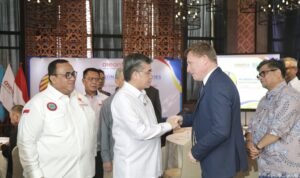
On Wednesday, October 28, 2026, in Jakarta, the Ministry of Manpower (Kemnaker), the Indonesian Employers’ Association (APINDO), the Confederation of Trade Unions, and the International Labour Organization (ILO) signed a Joint Declaration on the Decent Work Country Programme (DWCP) 2026–2030 for Indonesia.
The DWCP—a national initiative for decent work—is now entering its fourth term. It represents a collective national commitment, rather than merely an ILO program.
LATEST NEWS: Labor Protection Reform in Indonesia: Wages, Domestic Workers, and the Fisheries Sector Now Legally Protected
Minister of Manpower Yassierli emphasized that the scale of employment challenges in Indonesia is immense. The workforce comprises 155 million people, approximately 60 percent of whom still work in the informal sector.
“The direction of our national employment policy cannot simply focus on increasing the number of jobs. We need jobs that are productive, formal, and protected, and that provide a decent wage,” Yassierli stated in his address.
According to Yassierli, Indonesia is undergoing a transformation driven by digitalization, artificial intelligence (AI), the green transition, demographic shifts, and global economic dynamics.
At the same time, significant issues remain unresolved, including high levels of informality, a mismatch between skills and labor market demands, unequal access to employment, and gaps in social protection.
LATEST NEWS: Oversight of the New Labor Law: Synergy Between Government, Employees, and Employers Is Essential
To address these challenges, the DWCP 2026–2030 focuses on three key areas: strengthening a transformative and institutionalized social dialogue; creating productive and inclusive employment and entrepreneurship opportunities; and reinforcing universal and adaptive social protection.
The Minister of Labour emphasized that this signing marks the beginning of the next five years of work. The Ministry of Labour is committed to collaborating with other ministries and institutions, local governments, APINDO (the Indonesian Employers’ Association), trade unions, and the ILO to ensure that this program delivers a tangible impact.
Simrin Singh, ILO Country Director for Indonesia and Timor-Leste, stated that digitalization, AI, and the green transition offer significant opportunities for productivity and job creation. He stressed that inclusivity is a key indicator of success.
“The true measure of success is the extent to which these opportunities can be transformed into better and more inclusive jobs,” said Simrin Singh. ***rel
Bukan Sekadar Lapangan Kerja : Menaker Yassierli Dorong Pekerjaan Produktif dan Layak Lewat DWCP 2026–2030
Kementerian Ketenagakerjaan (Kemnaker), Asosiasi Pengusaha Indonesia (APINDO), Konfederasi Serikat Pekerja/Serikat Buruh, dan Organisasi Ketenagakerjaan Internasional (ILO) menandatangani Deklarasi Bersama Indonesia Decent Work Country Programme (DWCP) 2026–2030 di Jakarta, Rabu, 28 Oktober 2026.
DWCP atau Program Pekerjaan Layak Nasional ini memasuki periode keempat. DWCP merupakan komitmen bersama yang dimiliki secara nasional, bukan sekadar program milik ILO.
Menteri Ketenagakerjaan (Menaker) Yassierli menegaskan, skala tantangan ketenagakerjaan Indonesia sangat besar. Jumlah angkatan kerja mencapai 155 juta orang, dan sekitar 60 persen di antaranya masih bekerja di sektor informal.
“Arah kebijakan ketenagakerjaan nasional tak cukup hanya berorientasi pada banyaknya lapangan kerja. Kita membutuhkan pekerjaan yang produktif, formal, terlindungi, dan berpenghasilan layak,” ujar Yassierli dalam sambutannya.
Menurut Yassierli, Indonesia sedang bertransformasi di tengah digitalisasi, kecerdasan artifisial (AI), transisi hijau, perubahan demografi, dan dinamika ekonomi global.
Pada saat yang sama, tingginya informalitas, ketidaksesuaian keterampilan, ketimpangan akses kerja, dan kesenjangan pelindungan sosial belum terselesaikan.
Untuk menjawab tantangan tersebut, DWCP 2026–2030 memuat tiga agenda utama: penguatan dialog sosial yang transformatif dan terlembaga; penciptaan kesempatan kerja dan kewirausahaan yang produktif serta inklusif; dan penguatan pelindungan sosial yang universal dan adaptif.
Menaker menekankan, penandatanganan ini merupakan awal dari kerja lima tahun ke depan. Kemnaker berkomitmen bekerja sama dengan kementerian/lembaga lain, pemerintah daerah, APINDO, serikat pekerja, dan ILO agar program ini memberi dampak nyata.
Direktur ILO untuk Indonesia dan Timor-Leste Simrin Singh menyatakan, digitalisasi, AI, dan transisi hijau membuka peluang besar bagi produktivitas dan penciptaan lapangan kerja. Ia mengingatkan bahwa indikator keberhasilan utamanya adalah inklusivitas.
“Ukuran keberhasilan yang sesungguhnya adalah sejauh mana peluang tersebut dapat diwujudkan menjadi pekerjaan yang lebih baik dan lebih inklusif,” kata Simrin Singh. ***rel