Ministry of Labor and Pertamina collaborate on human capital development and vocational training in the field of occupational safety and health (K3)
Minister of Labor Yassierli stated that improving the quality of human capital remains a major challenge for strengthening the competitiveness of the Indonesian workforce on a global level.
He emphasized that competence development cannot take place in isolation but requires close cooperation between the government and the business sector to meet the needs of the industry.
LATEST NEWS: The UNESCO Green Card must have a real economic impact on the community
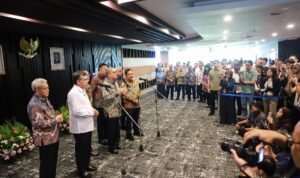
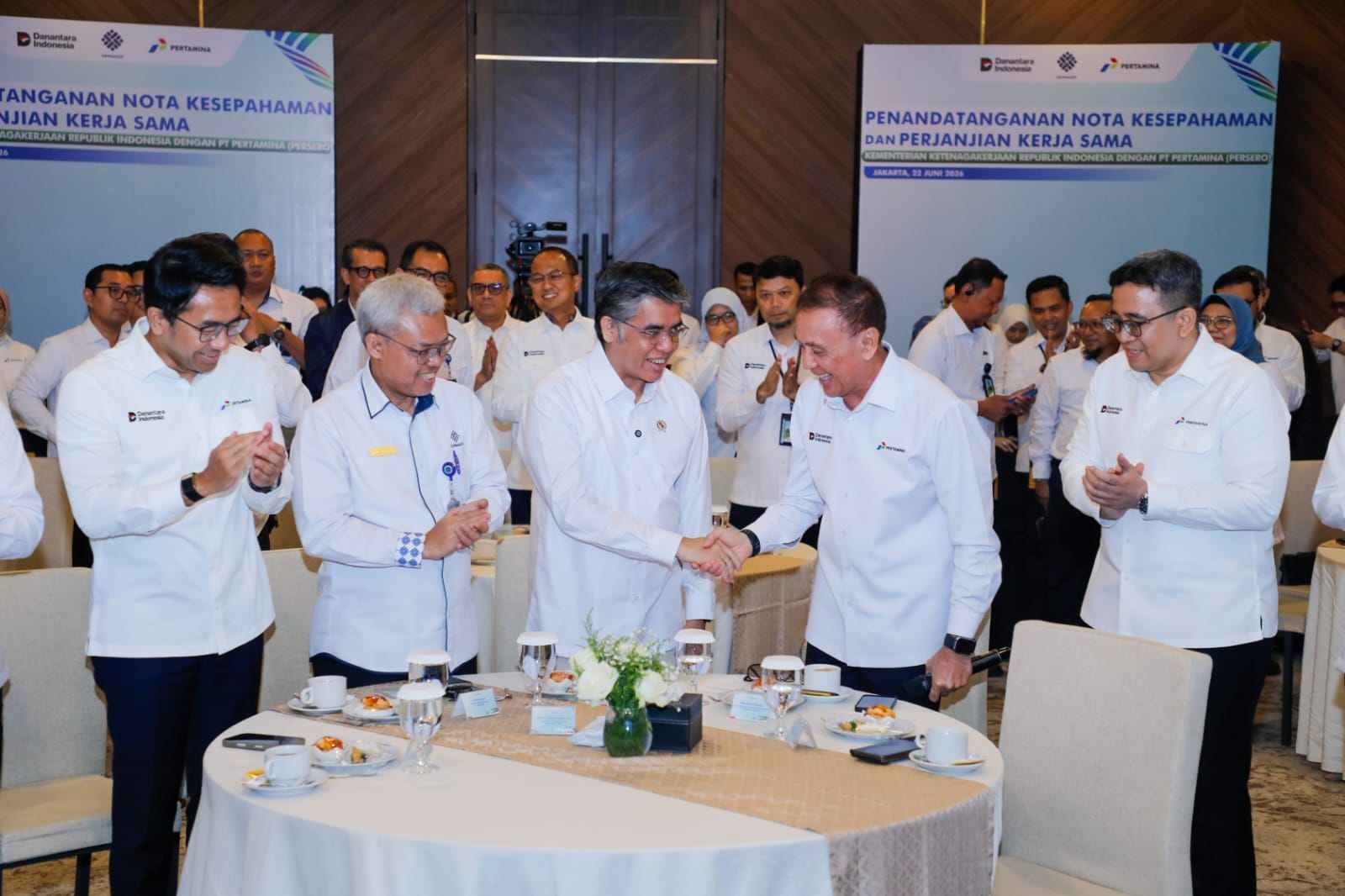
This statement was made by Minister Yassierli during the signing of a Memorandum of Understanding (MoU) on synergy in employment programs and the deployment of human capital between the Secretary-General of the Ministry of Labor, Cris Kuntadi, and the Director of Personnel Affairs of PT Pertamina (Persero), Andy Arvianto, and a Cooperation Agreement (PKS) on vocational training in the field of occupational safety and health (K3) between the Directorate-General for Vocational Training and Productivity of the Ministry of Labor and Pertamina Corporate University in Jakarta.
Yassierli stated that the collaboration with Pertamina is a strategic step in strengthening the national employment ecosystem, particularly through the development of vocational training programs relevant to the needs of the business community. This synergy is expected to lead to a workforce that is not only competent but also flexible in the dynamics of the workplace.
He also encouraged Pertamina to become a role model in the field of workforce development, labor relations management, and preparing future skills required in various sectors.
“We want Pertamina to generate many success stories, including in the areas of strengthening labor relations and developing competencies,” said Yassierli.
LATEST NEWS: Prosecutor General urges moral and professional conduct of new public prosecutors
According to him, business community involvement is essential for creating a workforce that meets the needs and standards of the industry. Therefore, the company is expected not only to provide access to workplace learning but also to play an active role in building a sustainable ecosystem for training and competency development.
Meanwhile, Oki Muraza, Vice President and CEO of PT Pertamina (Persero), emphasized that cooperation with the Ministry of Labor is becoming increasingly important given the growing operational requirements for ensuring national energy security.
He stated that the company’s operational success is supported not only by the infrastructure but also by the readiness of the staff overseeing all business processes, from start to finish.
He added that hundreds of thousands of employees within the Pertamina Group are involved daily in ensuring the smooth distribution and production of national energy. Therefore, a workforce is needed that possesses not only technical competence but also upholds discipline and a strong safety culture.
LATEST NEWS: The Public Prosecution Service of West Java appoints nine prosecutors for the Taufik Hidayat case
“At the Pertamina Group, operational success begins with the staff working there. They ensure that all processes are safe, productive, and of high quality,” said Oki. Meanwhile, the President of the Supervisory Board of PT Pertamina (Persero), Mochamad Iriawan (Iwan Bule), expressed the hope that the collaboration between Pertamina and the Ministry of Labor would be the first step towards the establishment of a center for the development of competencies in the field of occupational safety with national and regional standards.
Iriawan stated that future cooperation opportunities can be extended not only to vocational training but also to talent development to support industrial transformation, digitalization, and the energy transition towards a Golden Indonesia 2045.
“I want this synergy to constitute a significant milestone in the development of high-quality Indonesian human capital, strengthening a culture of occupational safety, and delivering sustainable benefits for society and national development,” said Iriawan. ***REL