The 2026 labor market forecast outlines challenges and projects millions of new jobs
The 2026 labor market forecast, compiled by the Agency for Labor Planning and Development (Barenbang Ketenagakerjaan) of the Ministry of Labor, predicts millions of new jobs as a result of industrial downstreaming and the green economy.
At the same time, the study also maps out a number of challenges in the labor market, ranging from the high number of informal workers and the skills shortage to the need to adapt to digital transformation.
LATEST NEWS: Prosecutor General urges moral and professional conduct of new public prosecutors
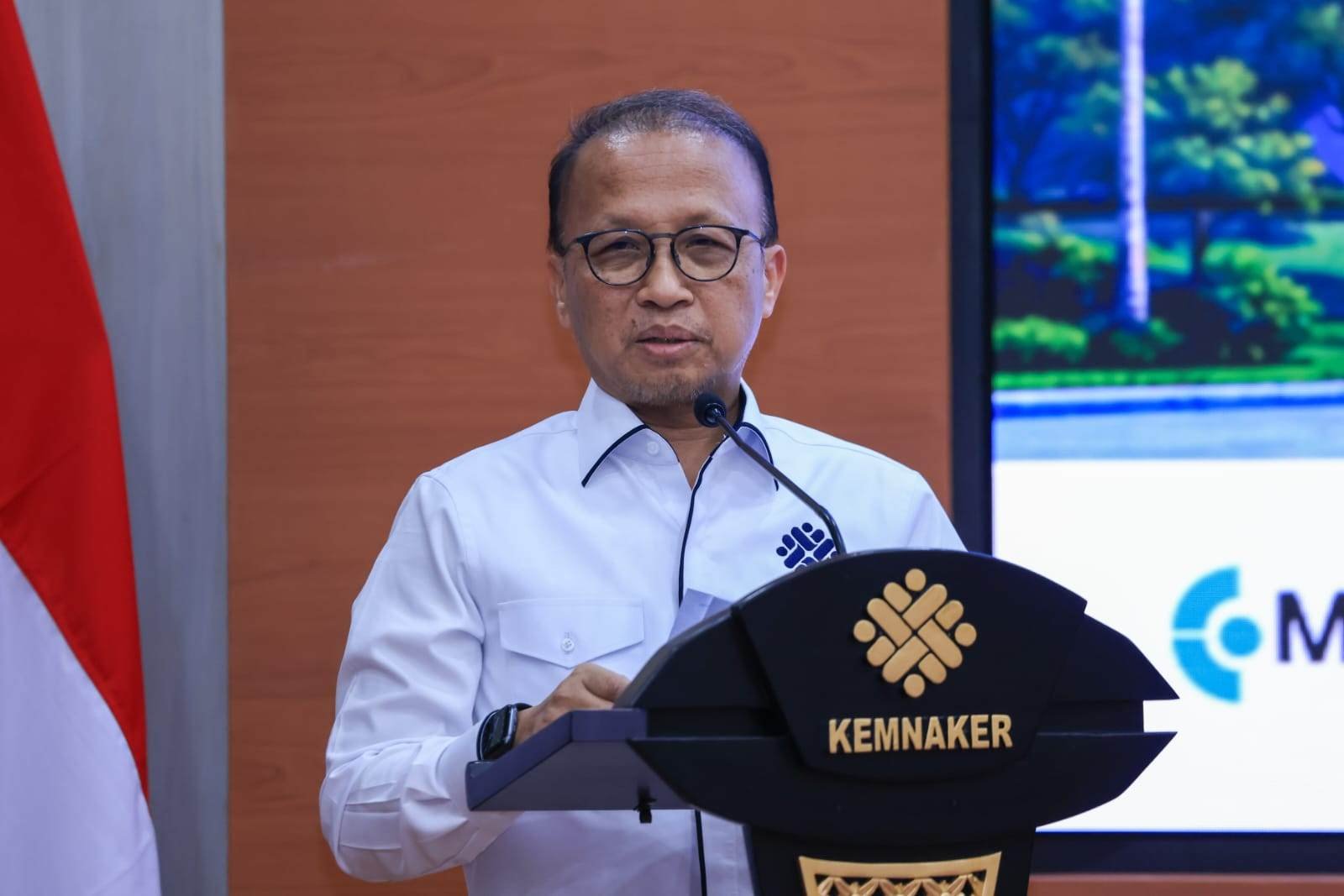
The head of Barenbang Ketenagakerjaan, Anwar Sanusi, stated that changes in the labor landscape in the 21st century are influenced by various global factors, such as developments in the field of artificial intelligence (AI), automation, digitalization, and the demands of sustainable development.
“Indonesia is at a crucial moment to transform its labor market into a more productive, inclusive, and sustainable structure. The ‘Employment Outlook 2026’ provides an overview of the opportunities, challenges, and policy directions needed to strengthen the resilience of the national labor market,” said Anwar in a press release from the Ministry of Labor’s Public Relations Office on Monday (June 22, 2026).
One of the greatest opportunities lies in the ever-increasing downstreaming of natural resources. In addition to downstreaming, the transition to a green economy is also expected to be a source of new job growth.
The ‘Employment Outlook 2026’ predicts that the number of green jobs will rise to 3.88 million in 2026, along with the development of new renewable energy, the circular economy, transport electrification, and industrial modernization.
LATEST NEWS: The Public Prosecution Service women’s basketball team wins the 2026 ASN competition
“The jobs created by downstreaming and the green economy must be balanced with the availability of a workforce with competencies that align with the needs of the industry. Therefore, skills development is a crucial factor,” says Anwar.
Furthermore, the Employment Outlook 2026 also points out several challenges that require attention. The study notes that approximately 58 percent of the Indonesian workforce still works in the informal sector. This situation indicates that the transformation of the labor market towards more productive and higher-quality jobs still needs to be strengthened.
Digital transformation has also created jobs through the development of platform-based jobs. However, this development presents challenges regarding the regulation of labor relations, social protection, and adapting labor regulations to the dynamics of the digital economy.
Another worrying challenge is the skills gap in the labor market. The Employment Outlook 2026 indicates that approximately 50 percent of the workforce possesses basic to intermediate digital literacy, while the industry requires that more than 80 percent of the workforce possess digital competencies. In addition, the phenomenon of the mismatch between graduate competencies and the needs of the labor market remains a challenge for increasing the competitiveness of the national workforce.
LATEST NEWS: Inauguration of 1,151 Km of Regional Roads in North Sumatra
To address various challenges and capitalize on existing opportunities, the Ministry of Labor continues to promote the strengthening of the national competency development system through a strategy that links vocational training to the needs of the business community and industry.
These efforts are being implemented through the revitalization of vocational training centers (BLK), the strengthening of technology-oriented training, the development of digital and green energy competencies, and the alignment of the Indonesian National Work Competency Standards (SKKNI) with the needs of the business community.
“Strengthening the competencies of the workforce, increasing the relevance of vocational education and training, and close cooperation between the government, the business community, and educational institutions are essential to benefit from the diverse opportunities arising from the economic and technological transformation,” stated Anwar.
He hopes that the Employment Outlook for 2026 can serve as a reference for the government, the business community, academia, and other stakeholders in developing strategic steps to strengthen the competitiveness of the Indonesian workforce and create a more resilient, productive, and sustainable labor market. ***rel