
Editor’s Note
- The Strategic Role of Karo Regency in North Sumatra’s Food Security
- Harvest in Lau Mulgap Village
- Rice production in Karo Regency reaches 126,000 tons
- Paya Lah Lah, the strategic food center of Karo Regency
The Strategic Role of Karo Regency in North Sumatra’s Food Security
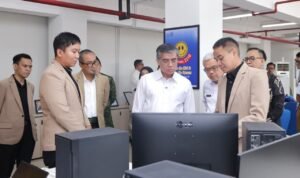
North Sumatra (Sumut) Vice Governor H. Surya reaffirmed the government’s commitment to farmers by strengthening the agricultural sector and regional food security.
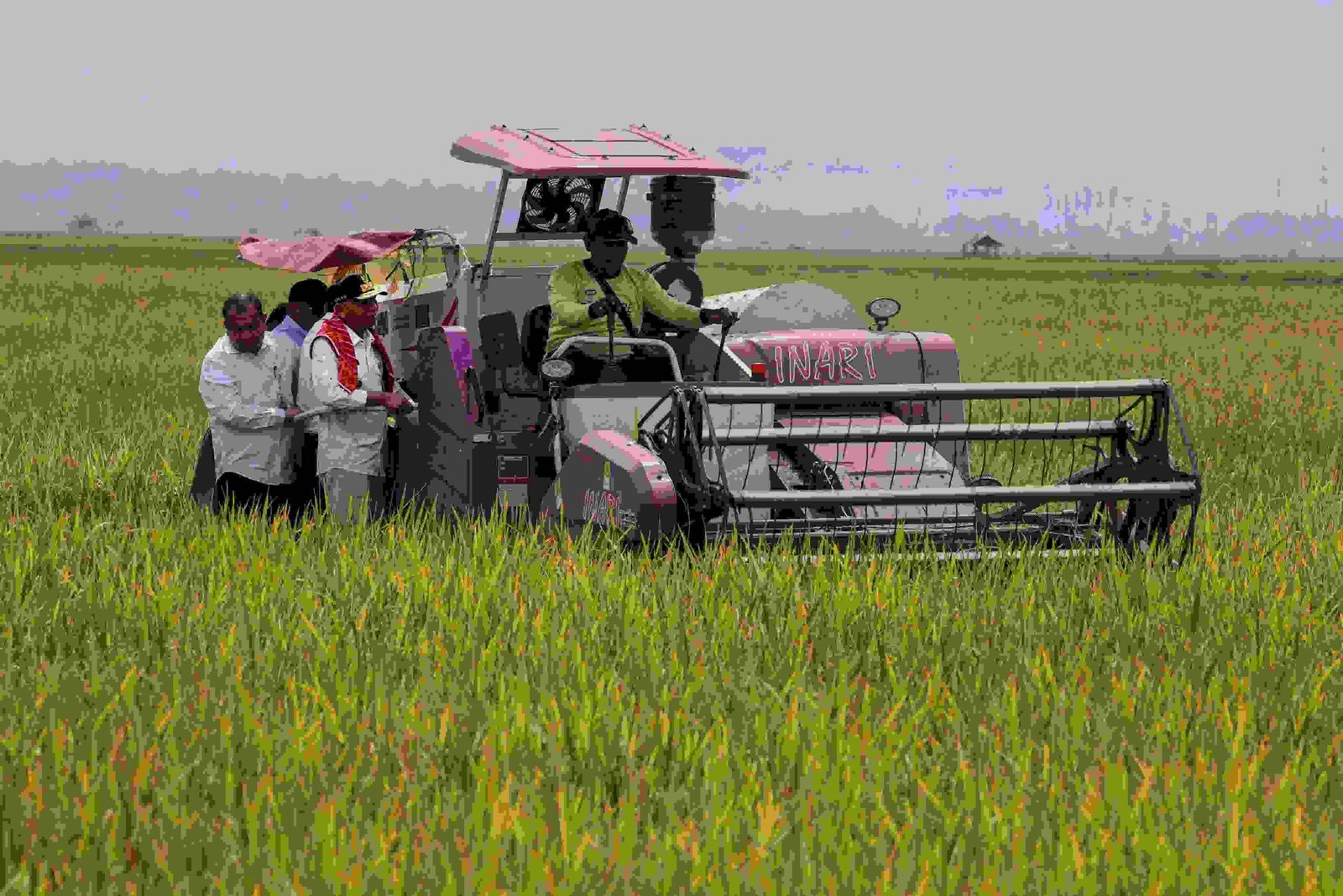
“With this harvest, I want to emphasize that the government is not abandoning farmers. We will continue to strengthen agricultural infrastructure, particularly irrigation, improve the quality of the water network, increase access to financing, and promote the implementation of modern agricultural technology,” said Deputy Governor Surya during the rice harvest in Lau Mulgap village, Mardingding district, Karo Regency, on Tuesday, January 20, 2026.
Harvest in Lau Mulgap
Surya stated that Karo Regency plays a strategic role in food production in North Sumatra. This bumper harvest also has an economic impact on farmers.
“Lau Mulgap village has approximately 1,200 inhabitants. Rice is the main driver of the village economy. It stimulates the local economy and maintains people’s purchasing power. The harvest generates income for dozens of farming families and boosts the local economy and people’s purchasing power,” he said.
Although Karo is known as a horticultural center, Surya also believes it contributes to the rice-producing region. This demonstrates that agricultural development in North Sumatra is integrated and mutually reinforcing across all regions.
Rice production in Karo Regency reaches 126,000 tons
According to data, rice production in Karo Regency is estimated to reach 1,133 tons of dry milled rice (DMU) by December 2025. Total rice production from January to December 2025 will reach 126,864 tons of DMU, generating an economic revenue of approximately 824 billion Indonesian rupees.
He adds that this achievement aligns with the various forms of support provided by the North Sumatra provincial government to Karo Regency in 2025. This support includes 500 hectares of rice seed, 550 hectares of maize seed, 750 liters of pesticides, 15 tons of NPK fertilizer, 14 hectares of red pepper seed, and 5 hectares of shallot seed.
In addition, the North Sumatra provincial government has also distributed agricultural machinery and equipment, including six mobile maize dehuskers, five solar dryers, five post-harvest storage sheds, 4,000 fruit fly traps, four hand tractors, and nine cultivators.
“Let us use this bumper harvest as a boost to our collective optimism and enthusiasm. With the right policies, strong infrastructure, and a clear commitment to farmers, North Sumatra can become a resilient province in terms of food security,” said the governor.
Paya Lah Lah, a Strategic Food Center in Karo Regency
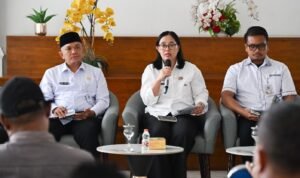
Meanwhile, Karo Regent Antonius Ginting stated that the bumper harvest demonstrates the Karo government’s support for the President of the Republic of Indonesia’s food self-sufficiency program. This program considers food a strategic issue important to national sovereignty, economic stability, and general well-being.
“Therefore, with this momentum, we want to demonstrate that Karo Regency is ready to play a significant role in this major national movement by increasing production, expanding plantings, strengthening irrigation, promoting agricultural modernization, and ensuring sustainable food production,” he said.
He also explained that the Paya Lah Lah area is a wetland in the Mardingding and Lau Baleng districts and has long been a strategic food center in Karo Regency.
The Paya Lah Lah wetland area covers approximately 3,300 hectares. By 2025, the focus will be on 1,500 hectares of land spread across seven villages: Batu Rongkam, Buluh Pancur, Rambah Tampu, Lau Solu, Lau Mulgap, Tanjung Pamah, and Mbal-mbal Petarum. With a rice productivity of approximately 6.66 tons per hectare, rice production in the Paya Lah Lah area is estimated to reach 43,956 tons in two planting seasons.
“When the government is present, central and regional programs reinforce each other, and farmers are enthusiastically engaged, the results will be better harvests, prosperity, and food security,” he concluded. ***obs