
Editor’s Note
- 100% of secondary schools (SMA) and equivalent schools in North Sumatra now have electricity and internet access.
- Internet access installed in 163 schools.
- All students and teachers must be technologically literate.
- Free school program in the Nias Islands costs 21 billion Indonesian rupees.
100% of secondary schools (SMA) and equivalent schools in North Sumatra now have electricity and internet access
All secondary schools (SMA), vocational schools (SMK), and special education schools (SLB) in North Sumatra (Sumut) under the authority of the North Sumatra Department of Education (Disdik) now have 100% electricity and internet access.
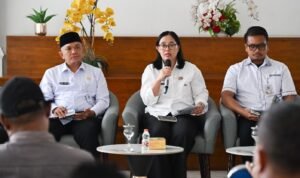
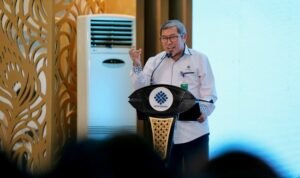
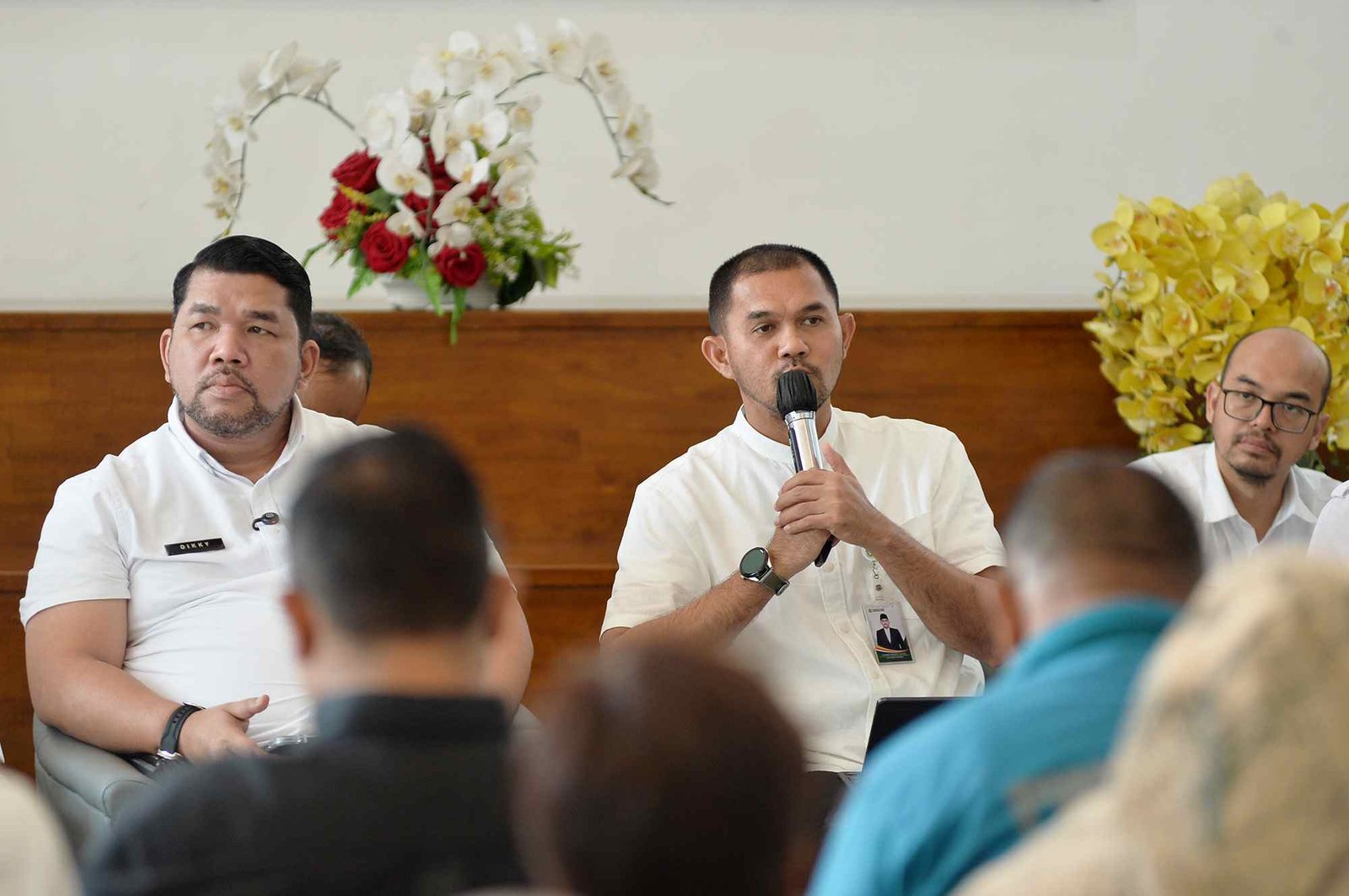
“This is an initiative of the North Sumatra Provincial Government (Pemprov) to promote the digitalization of education, in the hope that it will improve the quality of teachers and students and that they will become more technologically proficient,” said Alexander Sinulingga, head of the North Sumatra Department of Education, during a press conference held by the North Sumatra Department of Communications and Informatics on Wednesday, January 21, 2026.
Internet access installed in 163 schools
Electricity and internet access have been fully implemented in schools directly under the North Sumatra Department of Education, namely secondary schools (SMA/SMK) and special education schools (SLB).
He explained that a total of 163 schools will have internet access by 2025. Regarding electricity, seven schools will have solar thermal systems (PLTS), 25 schools will have their electrical systems repaired, and 21 schools will receive supplementary power.
He continued his explanation by explaining that the North Sumatra Department of Education’s strategy for providing electricity and internet access is tailored to regional conditions. In areas without electricity pylons, PLTS (Platform Line Terminal Stations) will be installed.
If electricity is available, his department will collaborate with PLN (the state-owned energy company). Starlink will be used for internet access in the absence of electricity pylons, particularly in remote, border areas, and the most remote (3T) regions where solar power plants and Starlink have been installed.
The efforts to provide schools with electricity and internet access are aimed at promoting the digitalization of education.
All students and teachers must be digitally literate
“It’s impossible to digitize education if resources are insufficient. Therefore, access to electricity and internet must be provided so that digital learning can be more interactive and internet literacy outcomes are consistent, with no differences between 3T areas and areas with easy access to electricity and internet,” Alexander explained.
Furthermore, it is hoped that providing electricity and internet access will improve the quality of teachers and students, eliminate disadvantaged areas, and ensure that all students and teachers are technologically literate.
Regarding the Excellence Free Education Program (PUBG), Alexander stated that the program will begin in the 2026/2027 school year.
PUBG will initially be implemented in five districts/cities on the Nias Islands, but will also be rolled out in the five districts/cities hardest hit by the disaster: Tapanuli North, Tapanuli Central, Tapanuli South, Sibolga, and Langkat. This policy is a form of recovery intervention for the disaster-affected areas in North Sumatra.
“So, in the new school year, we will implement PUBG not only in the five districts/cities on the Nias Islands, but also in the five districts/cities hardest hit by the disaster,” he said.
Free education program in the Nias Islands costs 21 billion Indonesian rupees
This free education program targets 41,000 students on the Nias Islands and has a budget of 21 billion Indonesian rupees. In the five disaster-affected districts/cities, the program targets 51,000 students with a total budget of 22 billion Indonesian rupees.
“A total of 43 billion Indonesian rupees will be spent on the free education program. We will later draft a governor’s decree with technical guidelines for the program, after which the funds will be transferred to each school’s account,” Alexander said. ***obs