Editor’s Note
- Press Freedom Protection Law
- Prioritizing mechanisms within press legislation
- No unlimited protection
Press Freedom Protection Law
News reporting can contain errors. The information presented may be viewed as unbalanced, insufficiently verified, or harmful to certain parties. However, not every issue arising from reporting needs to be resolved through criminal charges or civil litigation.
Law No. 40 of 1999 concerning the Press provides a specific mechanism for resolving disputes arising from journalistic work. Aggrieved parties can exercise the right of reply, request a rectification, or submit the matter to the Press Council.
LATEST NEWS: Vespa Community Visits Governor Bobby Nasution
This mechanism is essential for first determining whether the content in question is journalistic in nature, whether there has been a violation of the journalistic code of ethics, and what form of resolution is appropriate.
In practice, however, this mechanism is not always the first line of defense. News reports deemed harmful to certain parties may still be reported directly to the police or taken to court.
Consequently, journalists may face investigations, risk detention, need to seek legal counsel, and even attend court hearings before it is determined whether the matter is related to their journalistic work. The problem lies not only in the final outcome of the case.
The protracted legal process can be both stressful and burdensome. Even if ultimately acquitted, journalists still lose time, energy, and money, and suffer psychological stress throughout the proceedings.
This situation can have a “chilling effect.” Journalists are becoming more cautious—not out of ethical considerations or a concern for accuracy, but out of fear of legal action. Editors may also avoid certain topics for fear of criminal prosecution or civil lawsuits.
LATEST NEWS: Ministry of Manpower Prepares Job Access for Jenderal Soedirman University (Unsoed) Students and Alumni
If this situation persists, the very law intended to protect press freedom could be used to hinder the media’s watchdog function. Article 8 of the Press Law states: “Journalists enjoy legal protection in the exercise of their profession.”
This provision emphasizes that legal protection is an essential component of a journalist’s work. However, for years, Article 8 has failed to provide a concrete answer regarding how this protection is implemented in practice.
The explanatory note to Article 8 merely states that legal protection is a guarantee provided by the government and/or the public to journalists as they carry out their duties, rights, obligations, and roles in accordance with laws and regulations.
While this wording acknowledges the existence of protection, it does not explicitly regulate the procedures to be followed when journalists face legal action over their reporting. There are no clear guidelines governing the actions of law enforcement officials in response to complaints concerning journalistic work.
LATEST NEWS: ACC Carnival Medan offers attractive promotions for purchasing new and used cars
Consequently, legal protection for journalists is often viewed merely as a general principle. In practice, however, journalists can still face direct criminal prosecution or civil litigation.
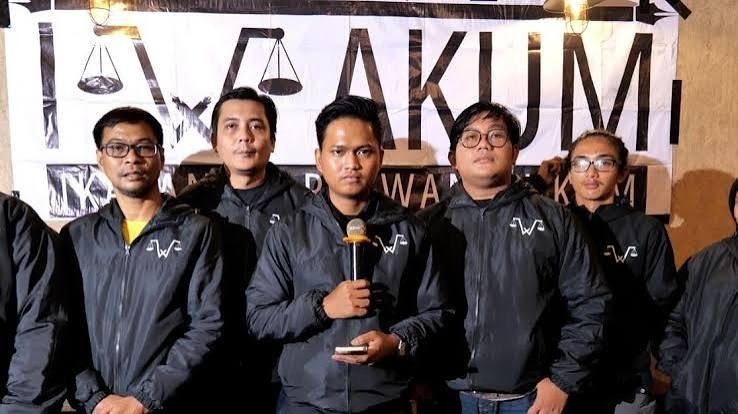
This procedural gap served as one of the grounds for a request for judicial review of Article 8—and its explanatory note—of the Press Law, filed by the Association of Legal Journalists (Iwakum). The request was registered at the Constitutional Court under case number 145/PUU-XXIII/2025.
The judicial review is not intended to grant journalists legal immunity. The request seeks clarification regarding the order of proceedings when legal issues arise from journalistic activities. The core question is simple: can journalists face immediate criminal prosecution or civil lawsuits for their reporting, or must the mechanisms of the Press Act be applied first?
Priority of the Press Act mechanisms
The Constitutional Court addressed this issue in a ruling dated 19 January 2026. The Constitutional Court partially granted the request and provided a constitutional interpretation of the legal protection afforded under Article 8 of the Press Act.
LATEST NEWS: Pegadaian equips USU psychology students with knowledge on combating illegal loans
The Court holds that resorting to criminal or civil proceedings against journalists lawfully engaged in journalistic activities could open the door to the criminalization of the press. Special protection for journalists is therefore necessary—not as a privilege, but to ensure substantive justice and press freedom.
This ruling establishes that criminal and civil proceedings against journalists carrying out journalistic activities may only be initiated after the right of reply, the right of correction, and the Press Council’s review and resolution mechanisms have been exhausted without leading to an agreement.
This ruling fundamentally alters the sequence of dispute resolution regarding the press. Criminal complaints and civil lawsuits are no longer the initial response to news reports; instead, they are regarded as a last resort to be pursued only after the mechanisms established by Press Law have been applied.
This change in procedure is significant because press-related disputes differ in nature from ordinary criminal offenses. Disputes concerning news coverage require an assessment of the editorial process, the public interest, verification, balance, source selection, and adherence to the journalistic code of conduct.
Such an assessment cannot be made simply by reading a single headline or news snippet. The entire journalistic process must be examined to determine whether there have been ethical lapses, professional misconduct, or actions falling outside journalistic standards.
The right of reply offers those who feel aggrieved the opportunity to issue a statement. The right of correction allows for the rectification of inaccurate information. Meanwhile, the Press Council can assess whether the content in question is journalistically sound and determine the appropriate form of resolution. If all these mechanisms are bypassed from the outset, there is a risk that journalistic disputes will escalate into criminal or civil proceedings before the issues have been fully clarified.
The ruling by the Constitutional Court (No. 145/PUU-XXIII/2025) was subsequently cited as a reference in the case of former JakTV news director Tian Bahtiar. Tian was accused of obstructing the course of justice in connection with his reporting on various corruption cases handled by the Public Prosecutor’s Office.
He was tried alongside lawyer Junaedi Saibih and activist M. Adhiya Muzakki. The panel of judges at the Central Jakarta Corruption Court ruled that it had not been legally and convincingly proven that the three men had committed the offenses charged by the public prosecutor.
LATEST NEWS: KBJI 2026 to serve as a common reference for the labor market
In assessing Tian’s actions, the panel of judges referred to Constitutional Court ruling No. 145/PUU-XXIII/2025. The judges held that Tian’s activities fell within the scope of journalistic work, which is protected by the Press Law.
This reasoning demonstrates that the selection of sources, conducting interviews, developing perspectives, and publishing news cannot simply be regarded as obstruction of justice. It must first be proven that these actions deviated from journalistic activities and met the elements of the alleged offense.
The public prosecutor appealed the acquittal. In this case, an intermediate appeal was unnecessary, as an appeal against an acquittal can be lodged directly with the Supreme Court.
In August 2026, the Supreme Court rejected the public prosecutor’s appeal. With this ruling, the acquittals of Tian Bahtiar, Junaedi Saibih, and M. Adhiya Muzakki remain in effect and legally binding.
This ruling does not mean that everyone working in the media is automatically exempt from legal liability. The acquittal remains based on the facts of the trial, the evidence, and the role played by each defendant.
LATEST NEWS: SMS Finance debtor reported to Langkat police
The relevance of the protection afforded by the Press Law lies primarily in the assessment of Tian and his journalistic activities. In contrast, the liability of Junaedi and Adhiya is assessed based on their actions and the evidence presented.
The panel of judges at the trial court also granted the three defendants the right to be forgotten as part of the restoration of their rights. This right can be viewed as an attempt to prevent someone who has been found innocent from remaining digitally stigmatized.
The Court holds that resorting to criminal or civil proceedings against journalists lawfully engaged in journalistic activities could open the door to the criminalization of the press. Special protection for journalists is therefore necessary—not as a privilege, but to ensure substantive justice and press freedom.
This ruling establishes that criminal and civil proceedings against journalists carrying out journalistic activities may only be initiated after the right of reply, the right of correction, and the Press Council’s review and resolution mechanisms have been exhausted without leading to an agreement.
LATEST NEWS: Ministry of Manpower Trains 416 Workers in North Maluku
This ruling fundamentally alters the sequence of dispute resolution regarding the press. Criminal complaints and civil lawsuits are no longer the initial response to news reports; instead, they are regarded as a last resort to be pursued only after the mechanisms established by Press Law have been applied.
This change in procedure is significant because press-related disputes differ in nature from ordinary criminal offenses. Disputes concerning news coverage require an assessment of the editorial process, the public interest, verification, balance, source selection, and adherence to the journalistic code of conduct.
Such an assessment cannot be made simply by reading a single headline or news snippet. The entire journalistic process must be examined to determine whether there have been ethical lapses, professional misconduct, or actions falling outside journalistic standards.
The right of reply offers those who feel aggrieved the opportunity to issue a statement. The right of correction allows for the rectification of inaccurate information. Meanwhile, the Press Council can assess whether the content in question is journalistically sound and determine the appropriate form of resolution. If all these mechanisms are bypassed from the outset, there is a risk that journalistic disputes will escalate into criminal or civil proceedings before the issues have been fully clarified.
The ruling by the Constitutional Court (No. 145/PUU-XXIII/2025) was subsequently cited as a reference in the case of former JakTV news director Tian Bahtiar. Tian was accused of obstructing the course of justice in connection with his reporting on various corruption cases handled by the Public Prosecutor’s Office.
He was tried alongside lawyer Junaedi Saibih and activist M. Adhiya Muzakki. The panel of judges at the Central Jakarta Corruption Court ruled that it had not been legally and convincingly proven that the three men had committed the offenses charged by the public prosecutor.
In assessing Tian’s actions, the panel of judges referred to Constitutional Court ruling No. 145/PUU-XXIII/2025. The judges held that Tian’s activities fell within the scope of journalistic work, which is protected by the Press Law.
This reasoning demonstrates that the selection of sources, conducting interviews, developing perspectives, and publishing news cannot simply be regarded as obstruction of justice. It must first be proven that these actions deviated from journalistic activities and met the elements of the alleged offense.
LATEST NEWS: The Importance of Staff Competencies in Risk Management within the Micro-Banking Sector
The public prosecutor appealed the acquittal. In this case, an intermediate appeal was unnecessary, as an appeal against an acquittal can be lodged directly with the Supreme Court.
In August 2026, the Supreme Court rejected the public prosecutor’s appeal. With this ruling, the acquittals of Tian Bahtiar, Junaedi Saibih, and M. Adhiya Muzakki remain in effect and legally binding.
This ruling does not mean that everyone working in the media is automatically exempt from legal liability. The acquittal remains based on the facts of the trial, the evidence, and the role played by each defendant.
The relevance of the protection afforded by the Press Law lies primarily in the assessment of Tian and his journalistic activities. In contrast, the liability of Junaedi and Adhiya is assessed based on their actions and the evidence presented.
The panel of judges at the trial court also granted the three defendants the right to be forgotten as part of the restoration of their rights. This right can be viewed as an attempt to prevent someone who has been found innocent from remaining digitally stigmatized. ***
The author is a journalist and currently the general chair of the Association of Legal Journalists (IWAKUM)
Catatan Redaksi
- Hukum Melindungi Kebebasan Pers
- Mendahulukan Mekanisme UU Pers
- Bukan Perlindungan Tanpa Batas
Hukum Melindungi Kebebasan Pers
Oleh : Irfan Kamil
PEMBERITAAN dapat mengandung kekeliruan. Informasi yang disajikan bisa dinilai tidak berimbang, kurang terverifikasi, atau merugikan pihak tertentu. Namun, tidak setiap persoalan dalam pemberitaan harus diselesaikan melalui laporan pidana atau gugatan perdata.
Undang-Undang Nomor 40 Tahun 1999 tentang Pers telah menyediakan mekanisme khusus untuk menyelesaikan sengketa yang bersumber dari karya jurnalistik. Pihak yang dirugikan dapat menggunakan hak jawab, mengajukan hak koreksi, atau membawa persoalan tersebut kepada Dewan Pers.
Mekanisme tersebut diperlukan untuk memastikan terlebih dahulu apakah konten yang dipersoalkan merupakan karya jurnalistik, apakah terjadi pelanggaran Kode Etik Jurnalistik, dan bentuk penyelesaian apa yang tepat.
Dalam praktiknya, mekanisme tersebut belum selalu ditempatkan sebagai jalur pertama. Pemberitaan yang dianggap merugikan pihak tertentu masih dapat langsung dilaporkan ke kepolisian atau digugat melalui pengadilan.
Akibatnya, wartawan harus menjalani pemeriksaan, menghadapi risiko penahanan, mencari bantuan hukum, hingga mengikuti persidangan sebelum dipastikan apakah perkara tersebut berkaitan dengan karya jurnalistik. Persoalannya tidak hanya terletak pada hasil akhir perkara.
Proses hukum yang panjang dapat menjadi tekanan sekaligus hukuman tersendiri. Sekalipun akhirnya dinyatakan tidak bersalah, wartawan tetap kehilangan waktu, tenaga, dan biaya, serta menanggung tekanan psikologis selama proses hukum berlangsung.
Keadaan itu dapat menimbulkan efek gentar atau chilling effect. Wartawan menjadi lebih berhati-hati bukan karena pertimbangan etik dan akurasi, melainkan karena takut menghadapi laporan hukum. Redaksi juga dapat menghindari isu tertentu karena risiko proses pidana atau gugatan perdata.
Apabila kondisi tersebut dibiarkan, hukum yang seharusnya melindungi kebebasan pers justru dapat digunakan untuk menghambat fungsi pengawasan yang dijalankan media. Pasal 8 UU Pers menyatakan, “Dalam melaksanakan profesinya wartawan mendapat perlindungan hukum.”
Ketentuan itu menegaskan bahwa perlindungan hukum merupakan bagian penting dari pekerjaan wartawan. Namun, selama bertahun-tahun, Pasal 8 belum memberikan jawaban yang cukup konkret mengenai cara perlindungan tersebut dijalankan.
Penjelasan Pasal 8 hanya menerangkan bahwa perlindungan hukum merupakan jaminan dari pemerintah dan/atau masyarakat kepada wartawan dalam menjalankan fungsi, hak, kewajiban, dan perannya sesuai dengan peraturan perundang-undangan.
Rumusan tersebut mengakui adanya perlindungan, tetapi tidak mengatur secara tegas prosedur yang harus ditempuh ketika wartawan dilaporkan akibat pemberitaan. Tidak terdapat petunjuk yang cukup jelas mengenai tindakan aparat penegak hukum saat menerima laporan yang berkaitan dengan karya jurnalistik.
Akibatnya, perlindungan hukum terhadap wartawan lebih sering dipahami sebagai prinsip umum. Sementara itu, dalam praktik penegakan hukum, wartawan masih dapat langsung berhadapan dengan proses pidana atau perdata.
Kekosongan prosedur itulah yang kemudian menjadi salah satu dasar pengujian Pasal 8 beserta Penjelasan Pasal 8 UU Pers oleh Ikatan Wartawan Hukum atau Iwakum. Permohonan tersebut diregistrasi sebagai Perkara Nomor 145/PUU-XXIII/2025 di Mahkamah Konstitusi.
Pengujian itu tidak bertujuan memberikan kekebalan hukum kepada wartawan. Hal yang diminta adalah kepastian mengenai urutan penyelesaian apabila persoalan hukum berawal dari kegiatan jurnalistik. Pertanyaan utamanya sederhana: apakah wartawan dapat langsung diproses secara pidana atau digugat secara perdata karena pemberitaan, atau mekanisme dalam UU Pers harus terlebih dahulu diberi kesempatan untuk bekerja?
Mendahulukan Mekanisme UU Pers
Mahkamah Konstitusi menjawab persoalan tersebut melalui putusan yang dibacakan pada 19 Januari 2026. MK mengabulkan sebagian permohonan dan memberikan tafsir konstitusional terhadap perlindungan hukum dalam Pasal 8 UU Pers.
Mahkamah menilai penggunaan instrumen pidana atau perdata terhadap wartawan yang secara sah menjalankan kegiatan jurnalistik dapat membuka ruang kriminalisasi pers. Oleh karena itu, perlindungan khusus terhadap wartawan dibutuhkan bukan sebagai keistimewaan, melainkan untuk menjamin keadilan substantif dan kebebasan pers.
Melalui putusan tersebut, tindakan hukum pidana maupun perdata terhadap wartawan dalam menjalankan kegiatan jurnalistik baru dapat digunakan setelah mekanisme hak jawab, hak koreksi, serta penilaian dan penyelesaian melalui Dewan Pers ditempuh dan tidak menghasilkan kesepakatan.
Putusan itu pada dasarnya mengubah urutan penyelesaian sengketa pers. Laporan pidana dan gugatan perdata tidak ditempatkan sebagai reaksi pertama terhadap pemberitaan. Keduanya menjadi upaya terakhir setelah mekanisme yang disediakan UU Pers dijalankan.
Perubahan urutan tersebut penting karena sengketa pers memiliki karakter yang berbeda dengan tindak pidana biasa. Sengketa atas pemberitaan membutuhkan penilaian mengenai proses redaksional, kepentingan publik, verifikasi, keberimbangan, pemilihan narasumber, serta kepatuhan terhadap Kode Etik Jurnalistik.
Penilaian semacam itu tidak cukup dilakukan hanya dengan membaca satu judul atau potongan berita. Keseluruhan proses jurnalistik harus diperiksa untuk mengetahui apakah terjadi kekeliruan etik, pelanggaran profesional, atau justru perbuatan yang berada di luar kegiatan jurnalistik.
Hak jawab memberikan kesempatan kepada pihak yang merasa dirugikan untuk menyampaikan penjelasan. Hak koreksi memungkinkan perbaikan terhadap informasi yang keliru. Sementara itu, Dewan Pers dapat menilai apakah konten yang dipersoalkan merupakan karya jurnalistik dan menentukan bentuk penyelesaian yang sesuai.
Bila seluruh mekanisme tersebut langsung dilewati, sengketa jurnalistik berisiko dipaksakan menjadi perkara pidana atau perdata sebelum duduk persoalannya menjadi terang.
Penerapan pada Perkara Putusan MK Nomor 145/PUU-XXIII/2025 kemudian menjadi salah satu rujukan dalam perkara mantan Direktur Pemberitaan JakTV, Tian Bahtiar. Tian didakwa melakukan perintangan penyidikan atau obstruction of justice berkaitan dengan pemberitaan mengenai sejumlah perkara korupsi yang ditangani Kejaksaan Agung.
Ia diadili bersama advokat Junaedi Saibih dan aktivis M. Adhiya Muzakki. Majelis hakim Pengadilan Tindak Pidana Korupsi pada Pengadilan Negeri Jakarta Pusat menyatakan ketiganya tidak terbukti secara sah dan meyakinkan melakukan tindak pidana sebagaimana didakwakan penuntut umum.
Dalam menilai perbuatan Tian, majelis hakim merujuk Putusan MK Nomor 145/PUU-XXIII/2025. Hakim menilai kegiatan Tian masih berada dalam lingkup pekerjaan jurnalistik yang memperoleh perlindungan berdasarkan UU Pers.
Pertimbangan tersebut menunjukkan bahwa pemilihan narasumber, wawancara, penyusunan sudut pandang, dan penerbitan berita tidak dapat langsung dinilai sebagai tindakan menghalangi proses hukum. Harus dibuktikan terlebih dahulu bahwa tindakan tersebut memang keluar dari kegiatan jurnalistik dan memenuhi unsur tindak pidana yang didakwakan.
Jaksa mengajukan kasasi terhadap putusan bebas tersebut. Perkara ini tidak melalui pemeriksaan banding karena upaya hukum atas putusan bebas langsung diajukan ke Mahkamah Agung.
Pada Agustus 2026, Mahkamah Agung menolak kasasi penuntut umum. Dengan putusan tersebut, vonis bebas terhadap Tian Bahtiar, Junaedi Saibih, dan M. Adhiya Muzakki tetap berlaku serta berkekuatan hukum tetap.
Perkara tersebut tidak berarti setiap orang yang bekerja di media otomatis terbebas dari pertanggungjawaban hukum. Putusan bebas tetap didasarkan pada fakta persidangan, alat bukti, serta peran masing-masing terdakwa.
Relevansi perlindungan berdasarkan UU Pers terutama terdapat pada penilaian terhadap Tian dan kegiatan jurnalistik yang dilakukannya. Sementara itu, pertanggungjawaban Junaedi dan Adhiya dinilai berdasarkan perbuatan dan pembuktian terhadap keduanya.
Majelis hakim tingkat pertama juga memberikan hak untuk dilupakan atau right to be forgotten kepada ketiga terdakwa sebagai bagian dari pemulihan hak. Pemberian hak tersebut dapat dipahami sebagai upaya mencegah seseorang yang telah dinyatakan tidak bersalah terus menanggung stigma digital akibat statusnya sebagai terdakwa.
Namun, penerapan hak untuk dilupakan juga harus mempertimbangkan kebebasan pers dan kepentingan publik. Pemulihan nama baik tidak harus dilakukan dengan menghapus seluruh pemberitaan yang pernah diterbitkan secara sah. Media dapat memperbarui berita terdahulu dengan mencantumkan putusan bebas dan hasil akhir perkara.
Cara itu lebih seimbang karena hak individu untuk memperoleh pemulihan tetap dipenuhi tanpa menghilangkan catatan mengenai proses hukum yang pernah terjadi.
Bukan Perlindungan Tanpa Batas
Putusan MK harus dibaca sebagai perlindungan terhadap kegiatan jurnalistik, bukan perlindungan terhadap setiap perbuatan yang dilakukan oleh seseorang yang berprofesi sebagai wartawan. Wartawan yang melakukan pemerasan, menerima suap, merekayasa informasi, menyembunyikan barang bukti, atau terlibat dalam tindak pidana tetap dapat dimintai pertanggungjawaban berdasarkan hukum.
UU Pers tidak dapat digunakan untuk melindungi perbuatan yang tidak berkaitan dengan proses jurnalistik. Sebaliknya, aparat penegak hukum juga perlu berhati-hati agar proses jurnalistik tidak dengan mudah ditarik menjadi tindak pidana.
Wawancara dengan pihak yang sedang berperkara, penyampaian kritik, pemilihan sudut pandang, dan keputusan redaksional merupakan bagian dari kebebasan pers sepanjang dilakukan berdasarkan prinsip jurnalistik. Perlindungan tersebut selalu berjalan bersama tanggung jawab.
Wartawan wajib melakukan verifikasi, menguji informasi, menyajikan pemberitaan secara berimbang, menghormati asas praduga tak bersalah, serta melayani hak jawab dan hak koreksi. Perusahaan pers juga harus memastikan bahwa mekanisme koreksi berjalan secara terbuka.
Perlindungan hukum akan kehilangan legitimasi apabila media menolak memperbaiki kekeliruan atau mengabaikan keberatan yang beralasan. Karena itu, Putusan MK Nomor 145/PUU-XXIII/2025 tidak hanya memberikan kewajiban kepada aparat penegak hukum. Putusan tersebut juga mengingatkan pers agar mempertahankan profesionalisme dan menyediakan mekanisme pertanggungjawaban yang dapat dipercaya masyarakat.
Kebebasan pers memang bukan kebebasan tanpa batas. Namun, pembatasannya juga tidak boleh dilakukan secara sewenang-wenang. Ketika persoalan berasal dari karya jurnalistik, hukum harus menghormati mekanisme yang secara khusus disediakan oleh UU Pers.
Perkara Tian Bahtiar memperlihatkan pentingnya prinsip tersebut dalam praktik. Bebasnya Tian bukan bukti bahwa wartawan berada di atas hukum. Putusan itu justru menegaskan bahwa penegakan hukum terhadap wartawan pun harus dilakukan menurut hukum, termasuk dengan menghormati prosedur perlindungan yang berlaku bagi kegiatan jurnalistik.
Perlindungan terhadap wartawan bukan hanya untuk kepentingan insan pers. Perlindungan itu dibutuhkan agar masyarakat tetap memiliki pers yang berani mengawasi kekuasaan, mengungkap penyimpangan, dan menyampaikan informasi yang relevan bagi kepentingan publik. ***
Penulis adalah wartawan, saat ini menjabat sebagai Ketua Umum Ikatan Wartawan Hukum (IWAKUM)