Minister of Labor: Labor Inspectorate must be risk-based and preventive
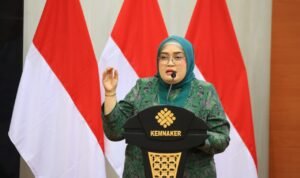
Minister of Labor Yassierli emphasized that the transformation of the labor inspectorate is aimed at risk-based inspection, prioritizing preventive measures. It is expected that inspection through this approach will be more effective in protecting workers and increasing compliance with labor standards.
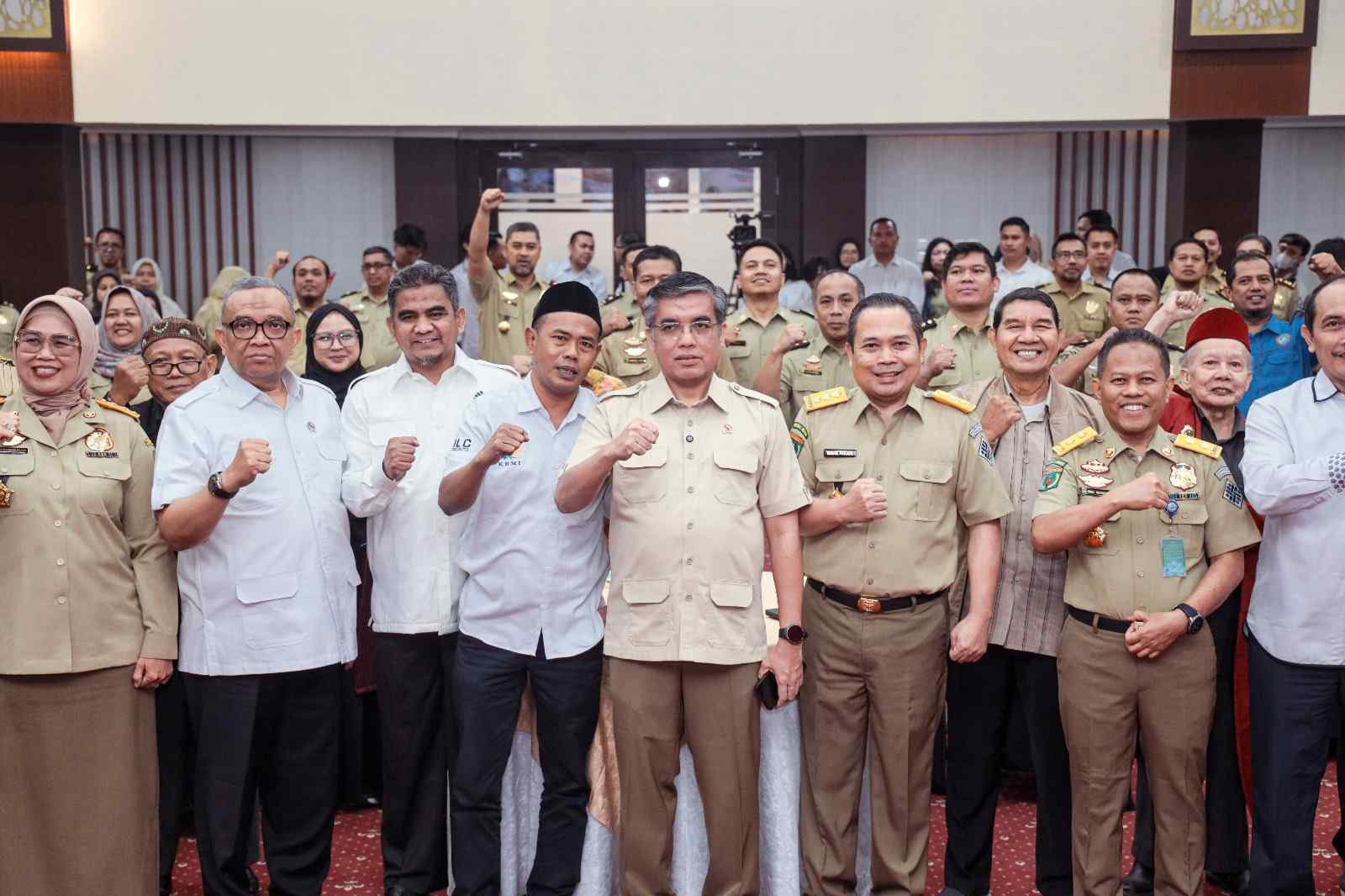
Minister Yassierli stated this during the launch and distribution of Regulation No. 11 of 2026 of the Minister of Labor regarding labor inspection procedures and the commemoration of the 78th anniversary of the Indonesian Labor Inspectorate in Jakarta on Monday, July 27, 2026.
LATEST NEWS: Governor Bobby Nasution receives feedback from fishermen in West Nias
The Minister stated that the future labor inspectorate will focus not only on taking action against violations but also on strengthening prevention through the use of data, technology, and cooperation with various parties.
This transformation begins with broadening the scope of inspection and strengthening capacity. This effort is being made by optimizing the role of trade unions and occupational safety and health (P2K3) supervisory committees as partners in the early detection and prevention of potential labor issues.
In addition, the Ministry of Labor is also utilizing digitalization, surveillance, and corporate self-assessment mechanisms as supporting instruments for supervision.
“Prevention must be an essential component to ensure that companies comply with labor standards. Therefore, we must strengthen the supervisory instruments that can signal potential risks at an early stage,” stated the Minister of Labor.
LATEST NEWS: Bobby Nasution confirms start of road and bridge construction on the West Nias-Niasbar route in August
According to the Minister, a risk-based approach is crucial for determining priorities in supervision.
“The keyword is risk-based. This awareness has become an essential part of various areas, including the management of labor inspections,” he said.
To support this approach, the Ministry of Labor is integrating data on occupational safety and health (K3), labor standards, complaints, and data from BPJS Ketenagakerjaan to map risks by sector and region.
“We are integrating data on occupational safety and health, labor standards, complaints, and data from BPJS Ketenagakerjaan to map risks. We will also encourage the centers for occupational safety and health in the provinces to take the lead in promotional and preventive measures,” said the Minister of Labor.
LATEST NEWS: The Active Indonesia Movement and the Spirit of Sport for Everyone
He explained that the centers for occupational safety and health will be strengthened to map risks in their regions, including issues regarding labor standards and safety standards. This risk analysis will serve as the basis for determining supervision priorities and targeting interventions at sectors and regions with a higher risk level.
The Minister of Labor added that risk-based supervision will also be strengthened through cooperation between labor inspectors and centers for occupational safety and health in providing information and support to companies.
“The centers for occupational safety and health must be the spearhead of the Ministry of Labor in the field of promoting and preventing occupational safety and health,” the Minister emphasized.
Furthermore, the Minister of Labour stated that strengthening labour supervision also requires professional and ethical staff.
“We have drafted the regulations. We want labour supervision to be more professional and ethical, and to contribute to a safe, healthy, and productive working environment,” he said. ***REL