

Editor’s Note
- The new face of modern warfare using advanced AI
- The rise of acid rain
- How great is the threat of AI warfare?
The new face of modern warfare using advanced AI
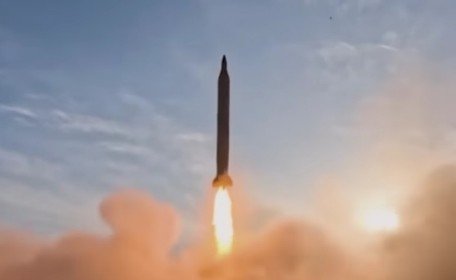
The airstrike on Iranian energy facilities in March 2026 was more than just foreign news. It was a warning to the world when oil refineries in the Middle East caught fire.
The consequences extended beyond national borders and reached gas stations on the outskirts of Jakarta. The impact also affected the prices of basic commodities in markets and changed the global power landscape.
The rise of acid rain
The Israeli attack on Tehran on March 7 and 8, 2026, struck the heart of the Iranian energy sector. The Iranian nuclear attacks destroyed several oil refineries and major fuel depots in Albert province, but the consequences were far more serious. In addition to damage to infrastructure, recent reports also confirm the emergence of a gigantic toxic cloud covering the region, home to 10 million people.
The massive burning of crude oil releases toxic hydrocarbons and sulfur dioxide into the lower atmosphere. This situation is exacerbated by acid rain mixed with corrosive chemicals. The rainwater is said to cause chemical burns on the skin of residents and inflict severe damage to the respiratory system.
Local humanitarian authorities are now racing against the clock to address this unprecedented public health crisis. In the Iranian capital, a toxic cloud containing dangerous chemical particles has been observed in the air, as well as acid rain, which poses a threat to burns, skin, and lungs.
How great is the threat of AI warfare?
The military world is witnessing a new face of modern warfare: attacks on Iran that are no longer carried out in a conventional manner. Instead, it is controlled by artificial intelligence (AI), which, with the support of American technology and the Israeli military, is now capable of locating and destroying thousands of targets within a few hours.
This is a deadly efficiency that is transforming global defense doctrine. However, this technological advancement is accompanied by deep diplomatic tensions. The sudden resignation of the Israeli Minister of Defense reveals an attempt to turn the United States geopolitically against Arab states, particularly Iran, which is not alone in this.
The threat to close the Strait of Hormuz, the lifeblood for 20% of the world’s oil supply, is a trump card that can be played if this happens. The strengthening of the Iran, Russia, and China bloc, which is becoming increasingly solid against Western dominance, is plunging the world into a polarization far more dangerous than that of the Cold War. ***obs