The Japanese industry increases employment for Indonesian migrant workers
The Ministry of Labor (Kemnaker) is mapping the needs of the Japanese industry in order to better align the training of Indonesian workers with the needs of the Japanese business community.
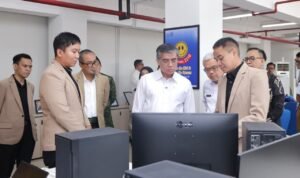
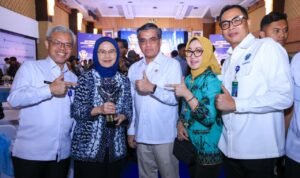
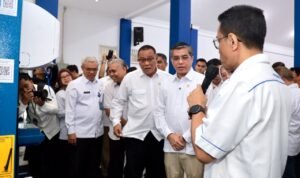
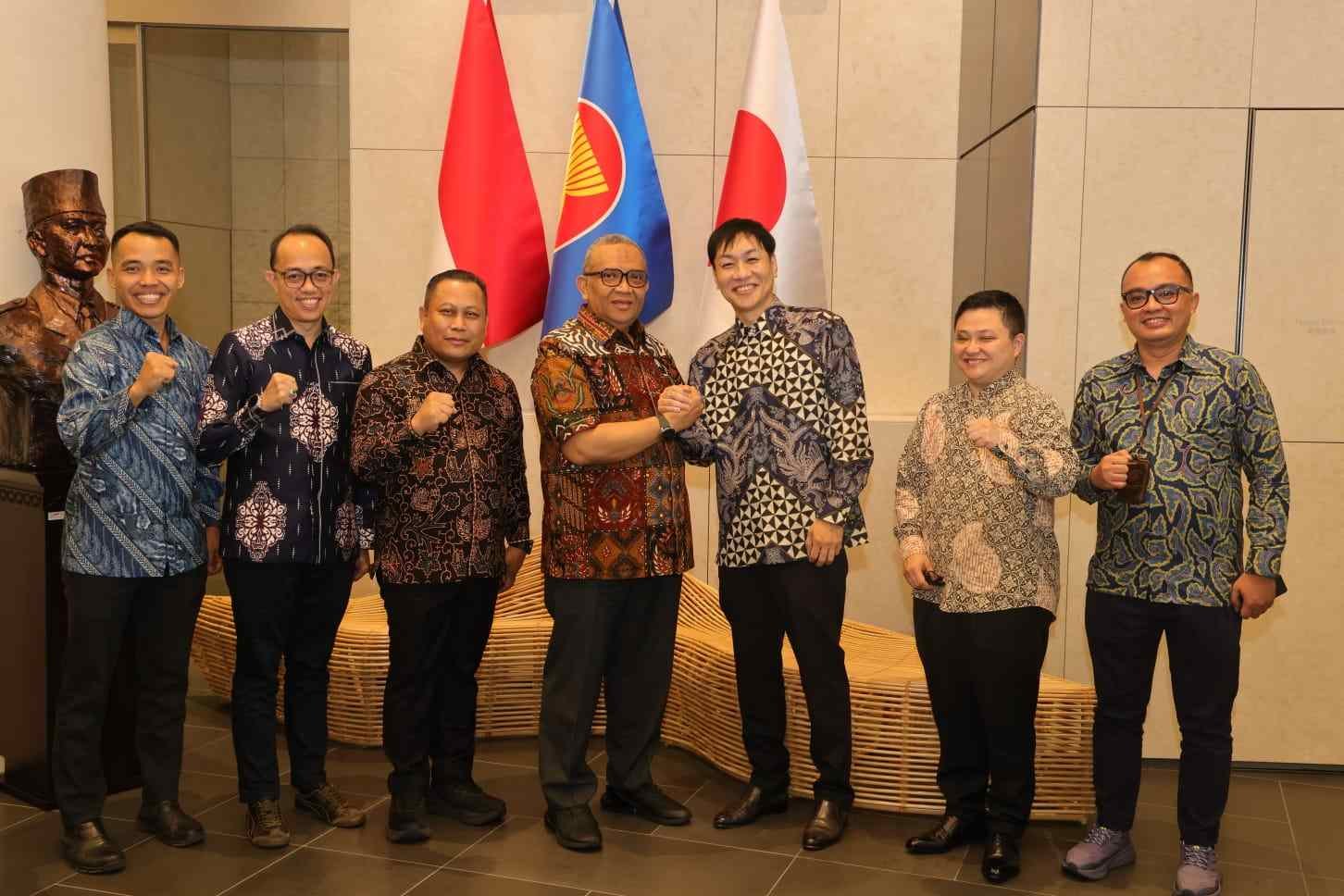
The study was conducted by the Deputy Minister of Labor (Wamenaker), Afriansyah Noor, and his delegation during a working visit to Japan from July 8 to 12, 2026.
LATEST NEWS: Child nutrition is the foundation of the Golden Generation 2045, vidoran presents STAR Moment Buy & Win
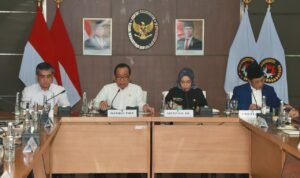
During the visit, the Deputy Minister and his delegation held discussions with the Indonesian Embassy in Tokyo, training and employment agencies, various companies employing Indonesian workers, and the secretariat of the Asian Productivity Organization (APO).
From these discussions, the Ministry of Labor obtained an overview of the needs of the Japanese industry, the readiness of the workforce, and the protection aspects that need to be further strengthened.
Deputy Minister Afriansyah Noor stated that Japan still offers significant opportunities for Indonesian workers, particularly in the automotive, transport, construction, agriculture, healthcare, and other sectors that require skilled labor.
“We must create jobs in Japan for Indonesian workers who possess the competencies the industry needs. Personnel development is not just about technical skills, but also about language proficiency, understanding of the work culture, and adaptability,” said the Deputy Minister of Labor in a press release from the Public Relations Department of the Ministry of Labor.
According to him, Japanese partners assessed Indonesian workers positively due to their strong adaptability. However, the quality of the personnel still needs to be improved, particularly in the areas of practical skills, Japanese language proficiency, mastery of technical terminology, occupational safety, discipline, and understanding of the work culture, in order to better align with Japanese business standards.
A key finding of the visit was the need for training that better aligns with the practical realities of working in Japanese companies. In the automotive sector, for example, companies emphasize the importance of mastering maintenance procedures, basic inspections, occupational safety, and maintaining the quality and cleanliness of the workplace. Additionally, communication skills and the disciplined execution of work procedures are also priorities.
The Ministry of Labor also emphasized that proficiency in the Japanese language is a crucial factor for the readiness of the Indonesian workforce. Therefore, the training includes not only everyday language skills but also professional jargon used in the workplace, including safety terms and operational communication.
The Deputy Minister of Labor emphasized that direct input from Japanese companies is crucial for the Ministry of Labor to further improve vocational training in Indonesia.
LATEST NEWS: 5 Assets That Determine Your Financial Future
“We want to ensure that vocational training truly aligns with the needs of the business community. Direct input from Japanese companies is crucial for improving the curriculum, increasing the quality of teachers, and strengthening practice-oriented learning,” stated the Deputy Minister.
In addition to improving competencies, the visit also discussed strengthening the protection of Indonesian workers in Japan, ranging from mentoring and complaint handling to mental preparation, adaptability, and Japanese work culture, such as discipline, punctuality, compliance with laws and regulations, and workplace communication.
During the meeting with the APO Secretariat, opportunities were also discussed to strengthen cooperation in the productivity sector, including staff capacity development, strengthening productivity certification, and leveraging innovation and technology to improve the competitiveness of the Indonesian workforce.
The results of the inventory of Japanese industry needs provide the Ministry of Labor with input to align vocational training, competency certification, and workforce preparation with the needs of the business community and developments in the global labor market.
LATEST NEWS: Why can gold prices fall so sharply? Here are three key reasons
“The results of this visit provide important input for the Ministry of Labor to strengthen the preparation of the Indonesian workforce, from training and certification to placement and protection. We hope that the Indonesian workforce will be better prepared to compete and secure high-quality jobs,” said the Deputy Minister of Labor. ***REL