
12,128 participants start the fourth cohort of the national vocational training program
The government, through the Ministry of Labor (Kemnaker), has launched the fourth cohort of the 2026 national vocational training program, with 12,128 participants starting simultaneously in various regions.
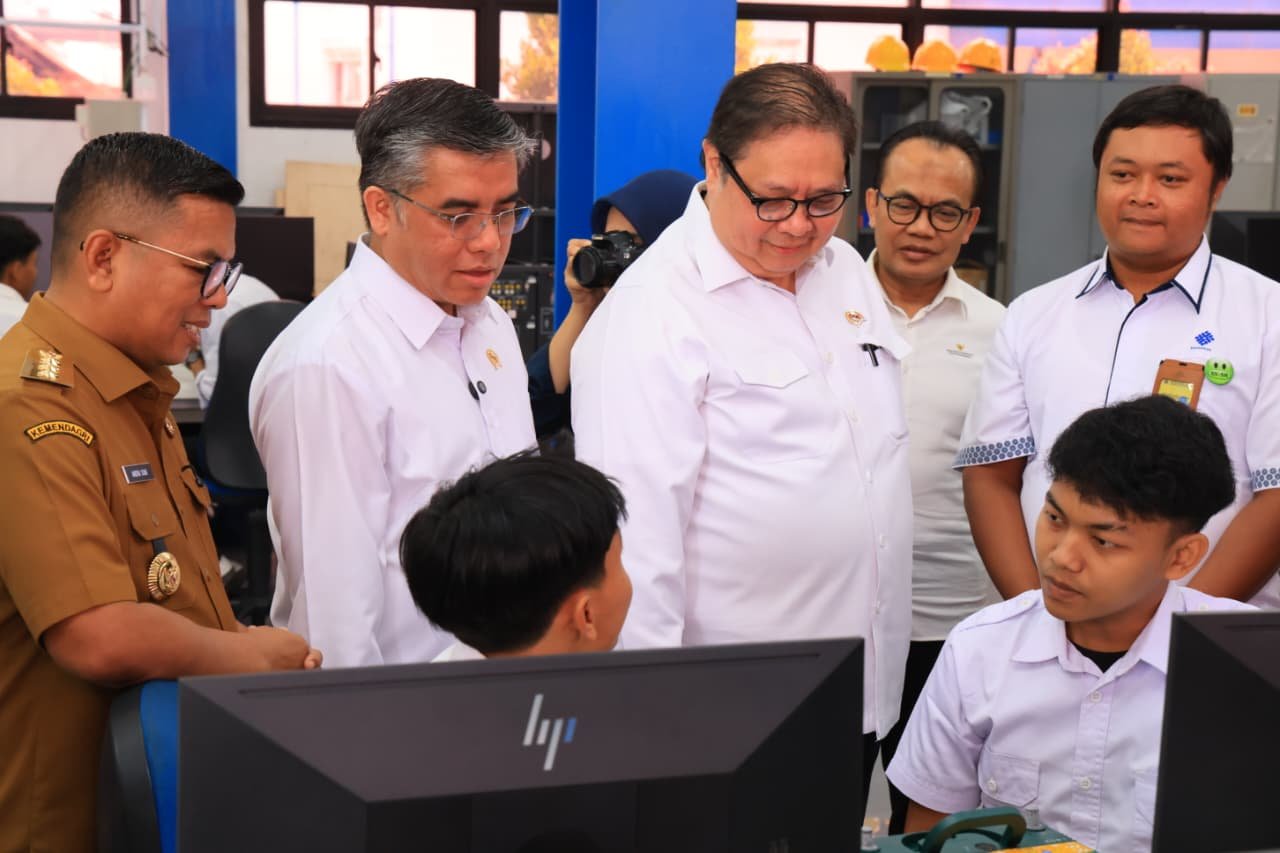
The kick-off of the training took place on Tuesday, September 1, 2026, at the Center for Vocational and Productivity Training (BBPVP) in Serang, Banten.
LATEST NEWS: JAPER urges the Medan municipal government to draft a youth regulation
Present at the ceremony were: the Coordinating Minister of Economic Affairs Airlangga Hartarto, the Minister of Labor Yassierli, the Governor of Banten Andra Soni, the Regent of Serang Ratu Rachmatuzakiyah, and the Deputy Mayor of Serang Nur Agis Aulia.
Coordinating Minister of Economic Affairs Airlangga Hartarto stated that the vocational training program is part of the economic stimulus measures for the second half of 2026 and a presidential decree to strengthen the readiness of the workforce and meet changing needs in the labor market.
“The President is promoting vocational training to address the shortage of skilled labor,” said Airlangga.
According to Airlangga, the need for talent continues to grow, particularly in the digital and green economies. The demand for digital talent is expected to rise to 2.7 million people by 2030.
LATEST NEWS: Medan Public Prosecutor’s Office oversees Medan City Council work program through cooperation agreement (PKS)
The demand for labor is also growing in the renewable energy sector due to the emergence of new professions, such as solar panel technicians, turbine technicians, and smart agriculture workers.
“This is therefore one of the matters the President is committed to: retraining and upskilling in these two leading sectors is of great importance,” he said.
Minister of Labour, Yassierli, explained that the duration of the training is adjusted to the type of competence offered. Participants also receive compensation and training facilities in accordance with the program rules.
Upon completion of the training, participants receive a certificate of competence from the National Bureau for Vocational Certification (BNSP). Yassierli said that the certificate can serve as proof of competence when entering the labor market.
“This is what we hope will provide a competitive advantage, something we can show to the business community. This is my expertise. This is our joint effort to improve the competence of our youth,” he said.
To support the program’s implementation, the Ministry of Labour is strengthening the vocational training ecosystem, which includes 21 UPTP BPVP (vocational training centers), 13 training services, and 286 UPTD BLK (vocational training centers).
By 2026, the Ministry of Labour aims to reach 340,000 participants in national vocational training programs. This target consists of 70,000 participants through state budget allocation and another 270,000 participants from the second semester economic stimulus program.
In the future, the Ministry of Labour will continue to align training programs with the needs of the labour market. This effort is being made to better prepare participants for jobs and entrepreneurial opportunities and to increase productivity. ***rel
12.128 Peserta Ikuti Pelatihan Vokasi Nasional Batch 4
Pemerintah melalui Kementerian Ketenagakerjaan (Kemnaker) memulai Pelatihan Vokasi Nasional Batch 4 Tahun 2026 yang diikuti 12.128 peserta secara serentak di berbagai daerah. Kick-off pelatihan digelar di Balai Besar Pelatihan Vokasi dan Produktivitas (BBPVP) Serang, Banten, Selasa, 1 September 2026.
Kegiatan tersebut dihadiri Menteri Koordinator Bidang Perekonomian Airlangga Hartarto, Menteri Ketenagakerjaan Yassierli, Gubernur Banten Andra Soni, Bupati Serang Ratu Rachmatuzakiyah, serta Wakil Wali Kota Serang Nur Agis Aulia.
Menteri Koordinator Bidang Perekonomian Airlangga Hartarto mengatakan, program pelatihan vokasi merupakan bagian dari stimulus ekonomi Semester II 2026 se kaligus arahan Presiden untuk memperkuat kesiapan tenaga kerja menghadapi perubahan kebutuhan dunia kerja.
“Bapak Presiden mendorong vokasi agar skill gap-nya bisa dikurangi,” ujar Airlangga.
Menurut Airlangga, kebutuhan talenta terus berkembang, terutama pada sektor digital dan ekonomi hijau. Kebutuhan talenta digital diproyeksikan mencapai 2,7 juta orang pada 2030.
Di sektor energi terbarukan, kebutuhan tenaga kerja juga berkembang seiring munculnya profesi baru, seperti teknisi panel surya, teknisi turbin, dan tenaga di bidang smart farming.
“Jadi ini adalah salah satu yang didorong oleh Bapak Presiden, sehingga retraining dan reskilling di dua sektor unggulan ini menjadi sangat penting,” katanya.
Menteri Ketenagakerjaan Yassierli menjelaskan, durasi pelatihan disesuaikan dengan jenis kompetensi yang diberikan. Peserta juga mendapatkan uang saku serta fasilitas pelatihan sesuai ketentuan program.
Setelah menyelesaikan pelatihan, peserta menda patkan sertifikat kompetensi dari Badan Nasional Sertifikasi Profesi (BNSP). Yassierli mengatakan sertifikat tersebut dapat menjadi bukti kompetensi peserta saat memasuki pasar kerja.
“Ini yang kita harapkan menjadi daya saing, menjadi sesuatu yang bisa ditunjukkan kepada industri. Ini loh, kemampuan saya. Inilah upaya kita bersama untuk meningkatkan kompetensi anak-anak muda kita,” ujarnya.
Untuk mendukung pelaksanaan program, Kemnaker memperkuat ekosistem pelatihan vokasi yang mencakup 21 UPTP BPVP, 13 Satuan Layanan Pelatihan, dan 286 UPTD BLK.
Pada 2026, Kemnaker menargetkan Pelatihan Vokasi Nasional menjangkau 340.000 peserta. Target tersebut terdiri atas 70.000 peserta melalui alokasi APBN dan 270.000 peserta tambahan dari program stimulus ekonomi Semester II.
Ke depan, Kemnaker terus mengarahkan penyelenggaraan pelatihan agar semakin terhubung dengan kebutuhan pasar kerja. Upaya tersebut dilakukan untuk memperkuat kesiapan peserta dalam memanfaatka n peluang kerja dan berwirausaha serta mendukung peningkatan produktivitas. ***rel