
The Importance of Staff Competencies in Risk Management within the Micro-Banking Sector
Deputy Minister of Manpower Afriansyah Noor emphasized the importance of staff competencies in supporting risk management within the micro-banking sector.
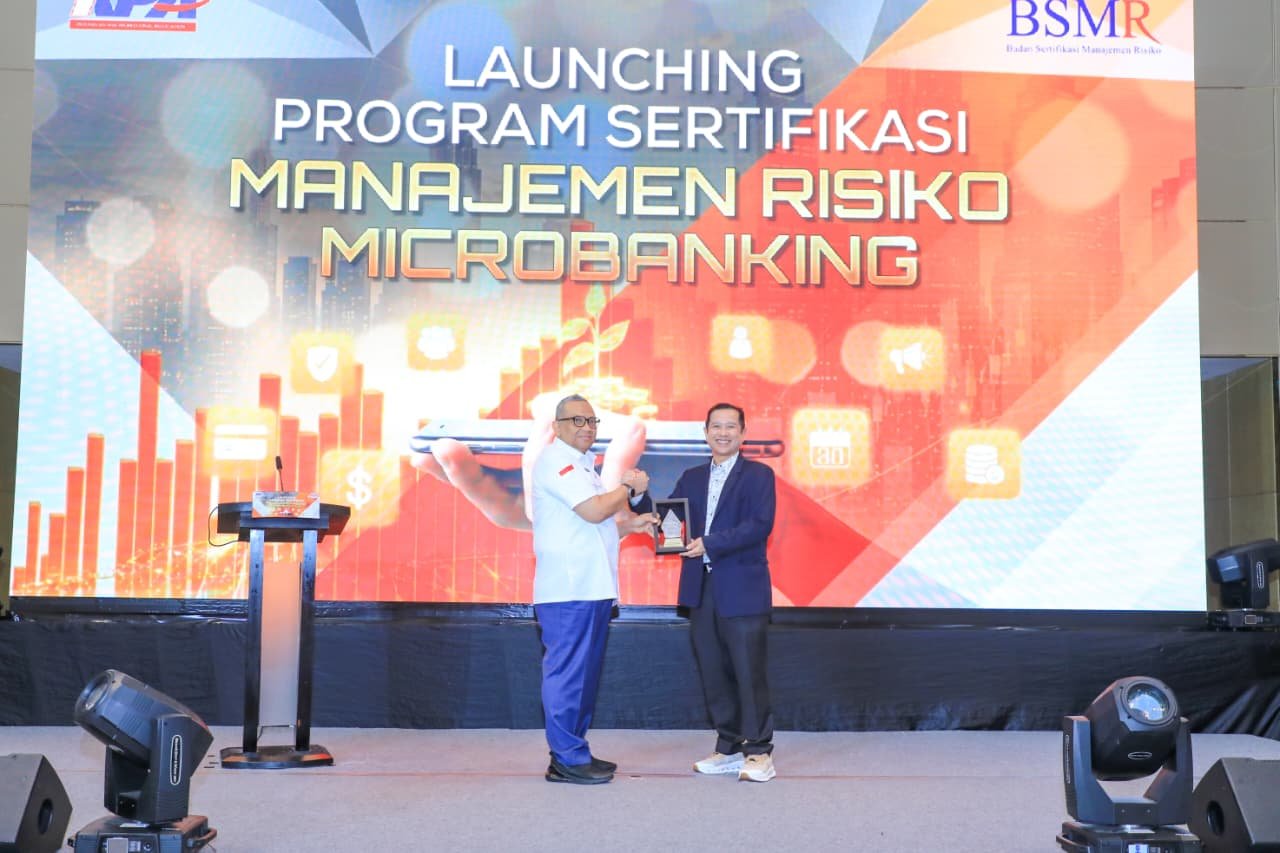
“The micro-banking sector plays a strategic role in the community economy, as it is the primary source of financing for micro, small, and medium-sized enterprises (MSMEs),” said Afriansyah during the launch of the Micro-Banking Risk Management Certification Program in Jakarta on Wednesday, September 16, 2026.
Afriansyah stated that risk management is crucial in the micro-banking sector, which faces various risks ranging from credit and operational risks to fraud. Therefore, competent staff are needed to identify, manage, and monitor these risks.
He added that the dynamics of the financial sector are changing rapidly, meaning that enhancing staff capacity through theoretical knowledge alone is insufficient. Competence must also encompass practical skills, a positive work attitude, and relevant experience.
In this context, competency certification serves as a tool to ensure staff competency standards. Afriansyah emphasized that the certification process should not merely be an administrative formality but must reflect the staff’s actual competencies in the relevant field.
“Competency certification must adhere to the ‘4T’ principle: measurable, tested, validated, and reliable. The measure of success lies not in the number of certificates issued, but in their actual impact on increasing productivity and the quality of industry management,” he stressed.
LATEST NEWS: North Sumatra Education Department: Renovation of 187 Classrooms Scheduled for September
To ensure that competency certification adheres to the 4T principle, the Ministry of Labour performs five roles: upholding competency standards, ensuring training quality, recognizing qualifications, aligning programs with labor market needs (“link and match”), and monitoring the impact of certification on industrial efficiency.
These five roles are part of the Ministry of Labour’s efforts to ensure that competency certification aligns with labor market needs and industrial developments.
Thus, certification not only recognizes workforce competence but also reflects the skills required in the workplace. ***rel
Pentingnya Kompetensi SDM dalam Pengelolaan Risiko Microbanking
Wakil Menteri Ketenagakerjaan (Wamenaker) Afriansyah Noor menegaskan pentingnya kompetensi sumber daya manusia (SDM) dalam mendukung pengelolaan risiko di sektor microbanking.
“Sektor microbanking memiliki peran strategis dalam perekonomian masyarakat karena menjadi penopang utama akses pembiayaan bagi usaha mikro, kecil, dan menengah (UMKM),” ujar Afriansyah saat menjadi pembicara pada peluncuran Program Sertifikasi Manajemen Risiko Microbanking di Jakarta, Rabu, 16 September 2026.
Afriansyah mengatakan pengelolaan risiko menjadi hal penting dalam sektor microbanking yang menghadapi berbagai risiko, mulai dari risiko kredit, operasional, hingga tindak kecurangan (fraud). Untuk itu, dibutuhkan SDM yang kompeten dalam mengidentifikasi, mengendalikan, dan memantau risiko.
Ia menambahkan, dinamika industri keuangan bergerak cepat sehingga peningkatan kapasitas SDM tidak cukup hanya melalui penguasaan teori. Kompetensi juga perlu mencakup keterampilan praktis, sikap kerja, dan pengalaman yang relevan dengan kebutuhan pekerjaan.
Dalam konteks tersebut, sertifikasi kompetensi menjadi instrumen untuk memastikan standar kemampuan tenaga kerja. Afriansyah menegaskan proses sertifikasi tidak boleh sekadar menjadi formalitas administratif, tetapi harus mencerminkan kemampuan nyata tenaga kerja di lapangan.
“Sertifikasi kompetensi wajib memenuhi prinsip 4T yaitu terukur, teruji, tervalidasi, dan terpercaya. Tolak ukur keberhasilannya bukan terletak pada banyaknya lembar sertifikat yang diterbitkan, melainkan pada dampak nyatanya terhadap peningkatan produktivitas dan kualitas pengelolaan industri,” tegasnya.
Untuk memastikan sertifikasi kompetensi memenuhi prinsip 4T, Kemnaker menjalankan lima peran, yakni menjaga standar kompetensi, menjamin mutu pelatihan, memberikan pengakuan kualifikasi, menyelaraskan program dengan kebutuhan pasar kerja (link and match), serta mengawal dampak sertifikasi terhadap efisiensi industri.
Kelima peran tersebut merupakan bagian dari upaya Kemnaker memastikan sertifikasi kompetensi selaras dengan kebutuhan pekerjaan dan perkembangan industri.
Dengan demikian, sertifikasi tidak hanya menjadi pengakuan atas kompetensi tenaga kerja, tetapi juga mencerminkan kemampuan yang dibutuhkan di tempat kerja. ***rel