State Secretary for Labor invites trade unions to cooperate on revision of the Labor Act and health and safety regulations
State Secretary for Labor, Afriansyah Noor, has invited trade unions to collaborate on the revision of the Labor Act and the updating of various labor regulations that are no longer considered relevant for the current labor market.
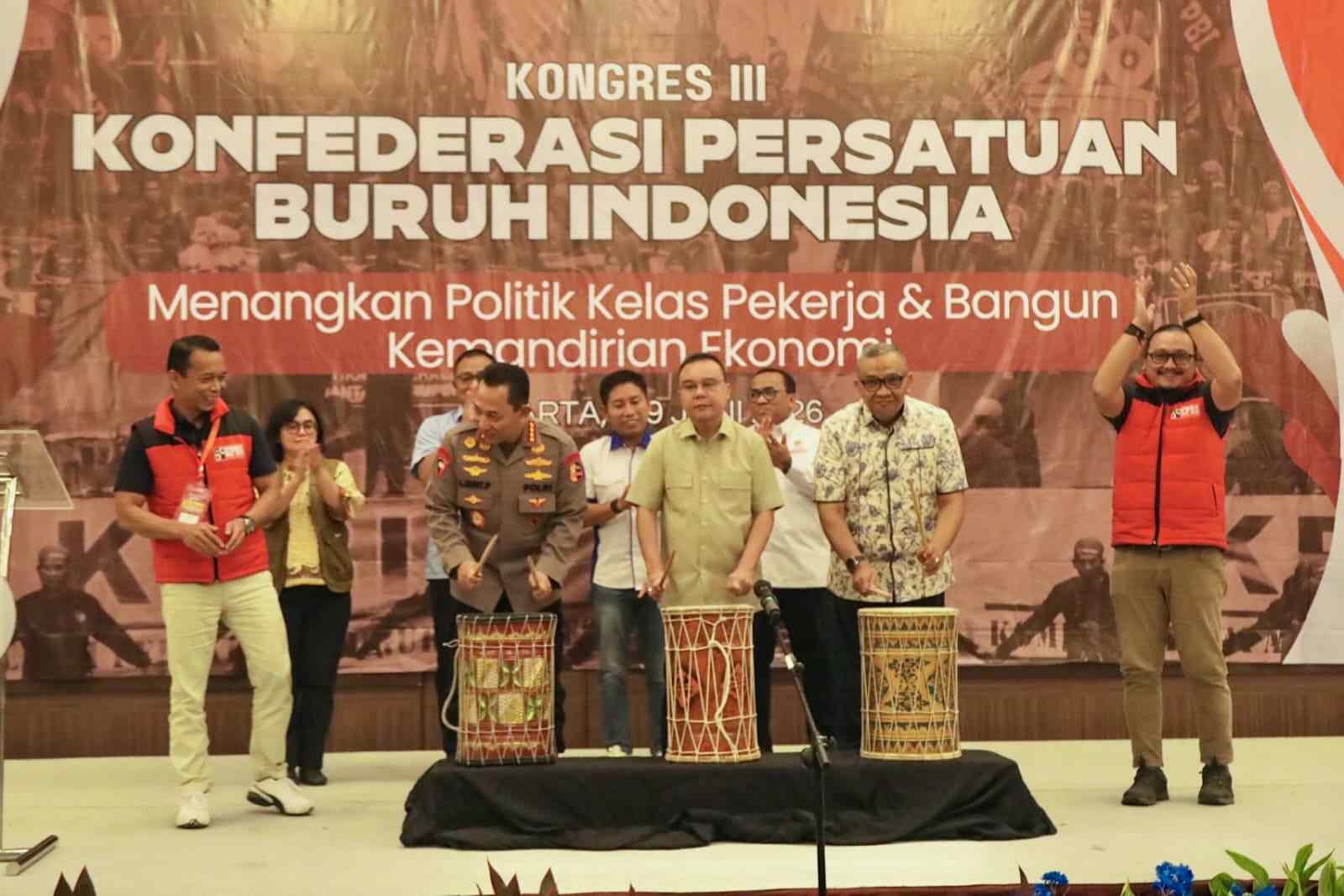
This invitation was extended during the 3rd Congress of the Confederation of Indonesian Trade Unions (KPBI), which included a seminar titled “Opportunities for labor protection laws in the new government era” in Jakarta on Sunday, June 7, 2026.
LATEST NEWS: Telkomsel 31-year-old special price: there is a full meal and an affordable film promo at CGV
On that occasion, Afriansyah emphasized the Ministry of Labor’s willingness to cooperate with all stakeholders, including the business community, trade unions, and the Indonesian House of Representatives (DPR RI), in drafting labor regulations that are adaptive, fair, and capable of addressing the challenges of the ever-changing labor market.
“The Ministry of Labour is prepared to cooperate with all stakeholders to develop labour regulations that are flexible, fair, and capable of addressing the challenges of the ever-changing labour market,” stated Afriansyah.
Afriansyah emphasized that the involvement of workers and trade unions in the revision of labour regulations is crucial to ensure that the resulting policy aligns with the needs of the labour market, offers optimal protection to workers, and continues to support a healthy and productive business climate.
“Social oversight by healthy and independent trade unions such as the KPBI is crucial to ensure that labour policy remains fair,” he said.
LATEST NEWS: The three biggest risks when investing in stocks and smart ways to avoid them
In addition to the revision of the Labour Act, the Ministry of Labour is also urging the accelerated renewal of a number of regulations considered outdated, including the Occupational Safety and Health Act No. 1 of 1970 and the Steam Act, a relic from the colonial era.
According to Afriansyah, these legislative changes are necessary to strengthen worker protection and address the challenges of modern industry.
He cited the example of a fine of 100,000 rupiah or three months’ imprisonment for violators of the Occupational Health and Safety regulations, which were still included in the old regulations and are no longer relevant to current circumstances.
Therefore, the Ministry of Labor is urging a modernization of criminal and administrative sanctions so that they are stricter and have a deterrent effect.
LATEST NEWS: The Young Generation, Guardians of the Future of Pancasila
“The protection of occupational safety and health must be continuously strengthened so that every worker can work safely, healthily, and productively. Improving Occupational Health and Safety regulations is therefore a crucial part of the efforts to achieve more comprehensive protection for workers,” he said. ***REL