
Editor’s Note
- Movement for Anti-Inflation and Food Security in Sumatra
- National Movement for Anti-Inflation in the Food Sector
- Anticipating the Risk of Extreme Rainfall
- Challenges of Disasters, Climate Anomalies, and Seasonal Demand Cycles
Movement for Anti-Inflation and Food Security in Sumatra
The provincial government of North Sumatra (Pemprov) has expressed its support for the Movement for Anti-Inflation and Food Security in the Sumatra Region (GPIPS), which will launch on Wednesday, February 11, 2026, in Palembang, South Sumatra. This movement aims to strengthen food security and maintain inflation stability in Sumatra.
This activity is organized by the Bank Indonesia Representative Office for Sumatra, in collaboration with the Central Inflation Control Team (TPIP) and the Regional Inflation Control Team (TPID).
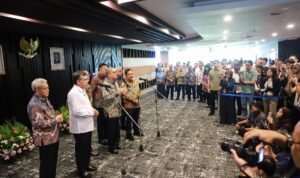
The implementation will be combined with a coordination meeting (Rakor) to strengthen food security and ensure the availability of food supplies during the national holidays (HBKN), while also anticipating the risk of extreme rainfall.
National Movement to Combat Food Inflation
The head of the Economic Bureau of the North Sumatra Provincial Secretariat, Poppy Marulita Hutagalung, stated that this activity demonstrates the government’s commitment to continuing the success of combating inflation while simultaneously ensuring food security.
“GPIPS is a refinement of the previous program, the National Movement to Combat Food Inflation (GNPIP),” Poppy said.
She explained that the program’s refinement was implemented in response to the increasing challenges related to food security. Therefore, it is necessary to sharpen the program’s focus and strengthen closer and more integrated synergies between the central and regional governments.
“Compared to the previous program, GPIPS is designed to focus more on strengthening the availability of food supplies at the source, to more comprehensively support food price stabilization, and to emphasize the importance of synergy between central and regional governments in supporting priority government programs,” Poppy said.
Anticipating the Risk of Extreme Rainfall
The event’s theme, “Strengthening Food Security, Maintaining Food Supply During the National Religious Holidays (HBKN), and Anticipating the Risk of Extreme Rainfall,” focuses on strengthening food security to support priority government programs and more effectively controlling food inflation, according to Poppy.
She indicated that three key themes will be discussed during the coordination meeting: post-disaster recovery of Sumatra’s agricultural sector, anticipating the risk of extreme rainfall to ensure food security, and controlling inflation during the HBKN period through efforts to ensure food security.
The event will be attended by representatives from the Coordinating Ministry of Economic Affairs, the Coordinating Ministry of Food, the Ministry of the Interior, the Ministry of Agriculture, the National Food Agency, the State Agency for Logistics (BULOG), Bank Indonesia, and regional government officials in the Sumatra region.
Challenges of Disasters, Climate Anomalies, and Seasonal Demand Cycles
Poppy also explained that, amid the challenges of disasters, climate anomalies, and seasonal demand cycles during the national holidays (HBKN), most regions in the Sumatra region recorded monthly deflation in the food category in January 2026.
This situation was supported by increased supply of horticultural products such as chili peppers and shallots, increased production in central areas, and smooth food distribution.
Continued post-disaster agricultural land restoration, strengthening of supply in central areas, and smooth distribution are expected to be crucial for maintaining adequate supply and anticipating increased demand during the HBKN periods around Chinese New Year and Eid al-Fitr in 2026.
“The implementation of the GPIPS (Garden of Food Security) and the 2026 TPIP-TPID Coordination Meeting are expected to further strengthen the implementation of the strategic framework for food security and inflation control in the Sumatra region, supporting the achievement of the national inflation target of 2.5% ± 1% in 2026,” Poppy said. ***rel